The Bright Side of Life
0
0
As an Amazon Associate and affiliate partner, Menrva Books earns from qualifying purchases. Learn more
Author Description
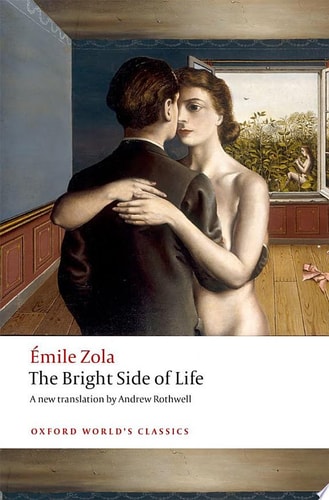
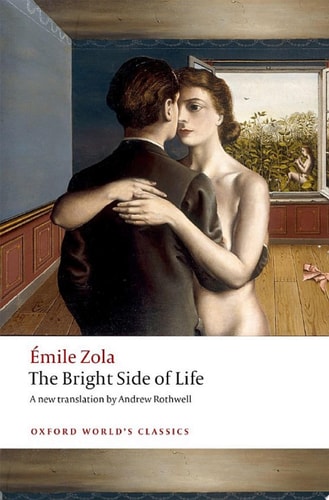
Neither spoke another word, they were gripped by a shared, unthinking madness as they plunged headlong together into vertiginous rapture. Orphaned with a substantial inheritance at the age of ten, Pauline Quenu is taken from Paris to live with her relatives, Monsieur and Madame Chanteau and their son Lazare, in the village of Bonneville on the wild Normandy coast. Her presence enlivens the household and Pauline is the only one who can ease Chanteau's gout-ridden agony. Her love of life contrasts with the insularity and pessimism that infects the family, especially Lazare, for whom she develops a devoted passion. Gradually Madame Chanteau starts to take advantage of Pauline's generous nature, and jealousy and resentment threaten to blight all their lives. The arrival of a pretty family friend, Louise, brings tensions to a head. The twelfth novel in the Rougon Macquart series, The Bright Side of Life is remarkable for its depiction of intense emotions and physical and mental suffering. The precarious location of Bonneville and the changing moods of the sea mirror the turbulent relations of the characters, and as the story unfolds its title comes to seem ever more ironic.
Menrva's Summary
THE PULSE
Pauline Quenu’s arrival at the isolated coastal home of her relatives triggers a complex web of dependency, resentment, and unrequited affection. As an orphaned heiress, Pauline attempts to stabilize the Chanteau household, providing both financial support and physical relief for her uncle’s chronic illness. However, her optimism clashes with the pervasive pessimism of her cousin Lazare and the manipulative tendencies of her aunt. The narrative follows a third-person perspective, tracking the psychological erosion of the family unit against the backdrop of a volatile maritime environment.
INSIDE THE PAGES
- Exploration of the conflict between altruism and exploitation
- Detailed depiction of physical suffering and chronic illness
- Use of the Normandy coast as a symbolic mirror for internal character turmoil
- Examination of the psychological impact of inherited wealth
- Analysis of the tension between individual desire and familial obligation
- Integration of naturalistic themes regarding human behavior and environment
- Character study of the contrast between vitality and nihilism
- Progression of domestic instability fueled by jealousy and social pressure
THE COLLECTIVE ECHO
Readers and critics frequently note the stark contrast between the novel's ironic title and the grim reality of the characters' experiences. Discussion often centers on Zola’s meticulous application of naturalism, specifically how the environment of Bonneville dictates the emotional trajectory of the household. Many observers highlight the author's ability to render physical pain and mental anguish with clinical precision, which serves to heighten the sense of entrapment felt by the protagonist. The work is often cited for its complex characterization of Pauline, whose unwavering generosity becomes the very catalyst for her own victimization. Scholars emphasize that this installment of the Rougon-Macquart series provides a profound look at how domestic intimacy can devolve into a site of psychological warfare.
Page Count:
368
Publication Date:
2018-01-01
Publisher:
OUP Oxford
ISBN-10:
0191068055
ISBN-13:
9780191068058
Realism
Naturalism
Family Saga
French literature
Classic Literature