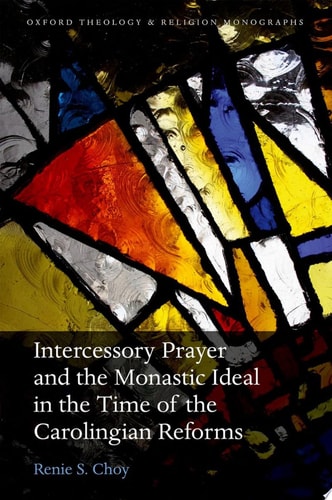
Intercessory Prayer And The Monastic Ideal In The Time Of The Carolingian Reforms
0
0
As an Amazon Associate and affiliate partner, Menrva Books earns from qualifying purchases. Learn more
Author Description
In Early Medieval Europe, Monasticism Constituted A Significant Force In Society Because The Prayers Of The Religious On Behalf Of Others Featured As Powerful Currency. The Study Of This Phenomenon Is At Once Full Of Potential And Peril, Rightly Drawing Attention To The Wider Social Involvement Of An Otherwise Exclusive Group, But Also Describing A Religious Community In Terms Of Its Service Provision. Previous Scholarship Has Focused On The Supply And Demand Of Prayer Within The Medieval Economy Of Power, Patronage, And Gift Exchange. Intercessory Prayer And The Monastic Ideal In The Time Of The Carolingian Reforms Is The First Volume To Explain How This Transactional Dimension Of Prayer Factored Into Monastic Spirituality. Renie S. Choy Uncovers The Relationship Between The Intercessory Function Of Monasteries And The Ascetic Concern For Moral Conversion In The Minds Of Prominent Religious Leaders Active Between C. 750-820. Through Sustained Analysis Of The Devotional Thought Of Benedict Of Aniane And Contemporaneous Religious Reformers During The Reigns Of Charlemagne And Louis The Pious, Choy Examines Key Topics In The Study Of Carolingian Monasticism: Liturgical Organization And The Intercessory Performances Of The Mass And The Divine Office, Monastic Theology, And Relationships Of Prayer Within Monastic Communities And With The World Outside. Arguing That Monastic Leaders Showed New Interest On The Intersection Between The Interiority Of Prayer And The Functional World Of Social Relationships, This Study Reveals The Ascetic Ideal Undergirding The Provision Of Intercessory Prayer By Monasteries.
Menrva's Summary
THE THESIS
This study investigates how the transactional nature of intercessory prayer integrated with the ascetic ideals of monastic spirituality during the Carolingian reforms. Renie S. Choy, a scholar of early medieval religious history, utilizes primary source analysis of devotional texts to challenge the view that monastic prayer was merely a social service. She argues that religious leaders, specifically Benedict of Aniane, viewed the external performance of intercession as intrinsically linked to the internal moral conversion of the monk.
THE SCOPE MAP
What You Will Find
- Analysis of liturgical organization and the Divine Office during the reigns of Charlemagne and Louis the Pious.
- Examination of the theological intersection between interior prayer and external social obligations.
- Primary source research focusing on the period between 750 and 820 CE.
Scope Limits
- The study does not provide a comprehensive survey of all European monastic orders outside the Carolingian sphere.
- It does not focus on the economic history of monastic landholdings or patronage systems, prioritizing theological and spiritual motivations instead.
THE AUTHORITY PERSPECTIVE
Scholars recognize this work as a significant contribution to the understanding of Carolingian monasticism, particularly for its nuanced treatment of the tension between asceticism and social utility. The text is noted for its academic rigor and is considered a valuable resource for historians examining the intellectual history of the early medieval church.
Page Count:
272
Publication Date:
2016-01-01
Publisher:
Oxford University Press
ISBN-10:
0192511009
ISBN-13:
9780192511003
History
Carolingian Studies
Religious History
Theology
Monasticism
Community Tags
Other Editions(3)
Similar Books





Reader Comments
Share Your Thoughts
No comments yet. Be the first to share your thoughts!