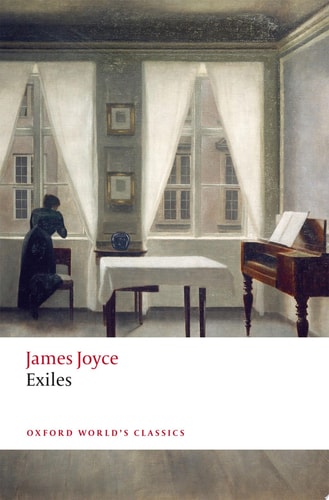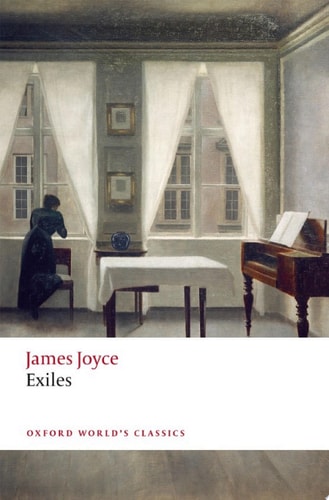
Exiles
0
0
As an Amazon Associate and affiliate partner, Menrva Books earns from qualifying purchases. Learn more
Author Description
'That is my fear. That I stand between her and any moments of life that should be hers...' Set against the backdrop of the Home Rule Crisis of 1912, Exiles is James Joyce's only surviving play. It tells the story of writer Richard Rowan and his common-law wife Bertha, characters drawn from Joyce's own life with Nora Barnacle. After a decade of absence from Dublin, Richard and Bertha have returned home from Rome, still unmarried, with their young son Archie. Richard hopes that he will be greeted as a returning genius and rewarded with a comfortable university position. But this aspiration ends up taking a back seat to the erotic crisis that is unleashed by the couple's return to the place where they first met, and their encounters with two old flames and friends. In this play, Joyce revisits his own agonizing feelings of jealousy that were precipitated by similar trips home to Dublin. In the introduction and notes, Keri Walsh provides a comprehensive look issues of gender, sexuality, and performance as well as considering the nationalist and sectarian contexts of Dublin in 1912, the year of the play's setting.
Menrva's Summary
THE PULSE
The return of a writer and his family to Dublin triggers a volatile examination of trust, jealousy, and erotic autonomy. Richard Rowan, a writer returning from exile, seeks professional recognition but finds his domestic stability fractured by the resurgence of past connections. As he and his common-law wife, Bertha, navigate the social expectations of their former home, they are forced to confront the psychological weight of their own desires. The play utilizes a tight, claustrophobic structure to examine the tension between intellectual detachment and emotional vulnerability.
INSIDE THE PAGES
- Exploration of the psychological complexities of jealousy
- Examination of the tension between personal freedom and social convention
- Semi-autobiographical parallels to the author's life
- Focus on the dynamics of a common-law marriage
- Setting centered on the social climate of 1912 Dublin
- Use of dialogue to reveal internal character conflicts
- Themes of betrayal and the nature of truth in relationships
- Minimalist staging requirements typical of early 20th-century drama
THE COLLECTIVE ECHO
Discussion often centers on the play's stark departure from the author's more celebrated prose works, highlighting its focus on intimate, domestic psychological warfare. Readers frequently note the intense, often uncomfortable nature of the dialogue as it dissects the characters' shifting loyalties and insecurities. Critics emphasize the play's role as a window into the author's personal anxieties regarding his own relationship and his complicated feelings toward his home city. The work is recognized for its intellectual rigor and its unflinching look at the fragility of human bonds within a rigid social framework.
Page Count:
192
Publication Date:
2020-01-01
Publisher:
OUP Oxford
ISBN-10:
0192520415
ISBN-13:
9780192520418
Drama
English literature
Modernist
Irish literature
Psychological
English & College Success
English
Plays