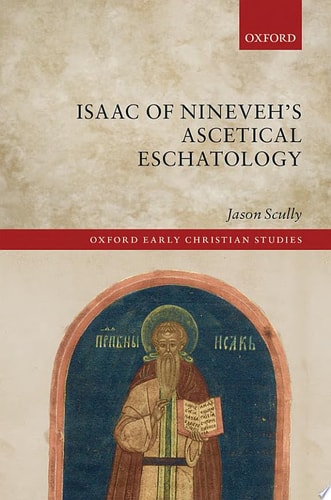
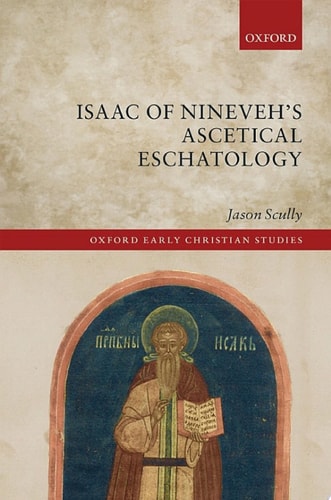
Isaac Of Nineveh's Ascetical Eschatology
0
0
As an Amazon Associate and affiliate partner, Menrva Books earns from qualifying purchases. Learn more
Author Description
Isaac Of Nineveh's Ascetical Eschatology Demonstrates That Isaac's Eschatology Is An Original Synthesis Based On Ideas Garnered From A Distinctively Syriac Cultural Milieu. Jason Scully Investigates Six Sources Relevant To The Study Of Isaac's Syriac Source Material And Cultural Heritage. These Include Ideas Adapted From Syriac Authors Like Ephrem, John The Solitary, And Narsai, But Also Adapted From The Syriac Versions Of Texts Originally Written In Greek, Like Evagrius's Gnostic Chapters, Pseudo-dionysius's Mystical Theology, And The Pseudo-macarian Homilies. Isaac's Eschatological Synthesis Of This Material Is A Sophisticated Discourse On The Psychological Transformation That Occurs When The Mind Has An Experience Of God. It Begins With The Premise That Asceticism Was Part Of God's Original Plan For Creation. Isaac Says That God Created Human Beings With Infantile Knowledge And That God Intended From The Beginning For Adam And Eve To Leave The Garden Of Eden. Once Outside The Garden, Human Beings Would Have To Pursue Mature Knowledge Through Bodily Asceticism. Although Perfect Knowledge Is Promised In The Future World, Isaac Also Believes That Human Beings Can Experience A Proleptic Taste Of This Future Perfection. Isaac Employs The Concepts Of Wonder And Astonishment In Order To Explain How An Ecstatic Experience Of The Future World Is Possible Within The Material Structures Of This World. According To Isaac, Astonishment Describes The Moment When A Person Arrives At The Threshold Of Eschatological Perfection But Is Still Unable To Comprehend The Heavenly Mysteries, While Wonder Describes Spiritual Comprehension Of Heavenly Knowledge Through The Intervention Of Divine Grace.
Menrva's Summary
THE THESIS
This book investigates how Isaac of Nineveh synthesized diverse Syriac and Greek intellectual traditions to construct a unique eschatological framework centered on ascetic practice. Jason Scully, a scholar of Syriac Christianity, examines the intersection of cultural heritage and theological innovation in Isaac's work. By analyzing the influence of predecessors such as Ephrem, John the Solitary, and Evagrius, the author argues that Isaac viewed asceticism not as a corrective for the Fall, but as a deliberate mechanism for human maturation. The text posits that Isaac's synthesis provides a sophisticated psychological account of how the human mind experiences divine reality through the concepts of wonder and astonishment.
THE SCOPE MAP
What You Will Find
- Analysis of six primary Syriac and Greek source materials influencing Isaac's thought.
- A detailed examination of the role of asceticism in the context of creation and the Garden of Eden.
- Theoretical definitions of 'wonder' and 'astonishment' as mechanisms for experiencing eschatological perfection.
- Exploration of the psychological transformation inherent in the mystical experience of God.
Scope Limits
- The study focuses primarily on the Syriac cultural milieu and specific identified sources, rather than a comprehensive survey of all patristic eschatology.
- The text does not provide a general biography of Isaac of Nineveh, focusing instead on his specific theological synthesis.
THE AUTHORITY PERSPECTIVE
Scholars recognize this work as a rigorous contribution to the study of Syriac patristics and the intellectual history of the East Syrian tradition. Readers frequently note the academic density of the prose, which is intended for those with a background in theological or historical research.
Page Count:
264
Publication Date:
2017-01-01
Publisher:
Oxford University Press
ISBN-10:
0192525468
ISBN-13:
9780192525468
Philosophy
Syriac Studies
Eschatology
Christian History
Theology
Asceticism
Community Tags
Other Editions(3)
Similar Books
Reader Comments
Share Your Thoughts
No comments yet. Be the first to share your thoughts!