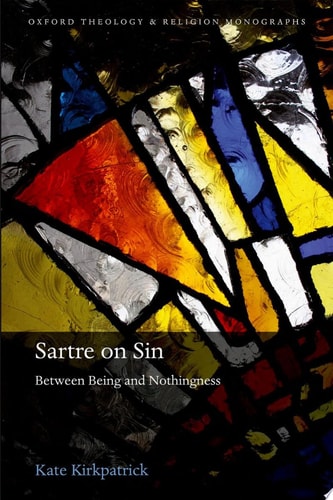
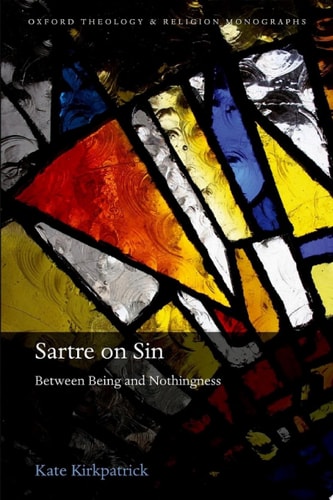
Sartre on Sin: Between Being and Nothingness
0
0
As an Amazon Associate and affiliate partner, Menrva Books earns from qualifying purchases. Learn more
Author Description
Sartre On Sin: Between Being And Nothingness Argues That Jean-paul Sartre's Early, Anti-humanist Philosophy Is Indebted To The Christian Doctrine Of Original Sin. On The Standard Reading, Sartre's Most Fundamental And Attractive Idea Is Freedom: He Wished To Demonstrate The Existence Of Human Freedom, And Did So By Connecting Consciousness With Nothingness. Focusing On Being And Nothingness, Kate Kirkpatrick Demonstrates That Sartre's Concept Of Nothingness (le Néant) Has A Christian Genealogy Which Has Been Overlooked In Philosophical And Theological Discussions Of His Work. Previous Scholars Have Noted The Resemblance Between Sartre's And Augustine's Ontologies: To Name But One Shared Theme, Both Thinkers Describe The Human As The Being Through Which Nothingness Enters The World. However, There Has Been No Previous In-depth Examination Of This 'resemblance'. Using Historical, Exegetical, And Conceptual Methods, Kirkpatrick Demonstrates That Sartre's Intellectual Formation Prior To His Discovery Of Phenomenology Included Theological Elements-especially Concerning The Compatibility Of Freedom With Sin And Grace. After Outlining The French Augustinianisms By Which Sartre's Account Of The Human As 'between Being And Nothingness' Was Informed, Kirkpatrick Offers A Close Reading Of Being And Nothingness Which Shows That The Psychological, Epistemological, And Ethical Consequences Of Sartre's Le Néant Closely Resemble The Consequences Of Its Theological Predecessor; And That His Account Of Freedom Can Be Read As An Anti-theodicy. Sartre On Sin Illustrates That Sartre' S Insights Are Valuable Resources For Contemporary Hamartiology.
Menrva's Summary
THE THESIS
Does Jean-Paul Sartre’s foundational concept of nothingness (le néant) derive from the Christian doctrine of original sin? Kate Kirkpatrick, a scholar of existentialism and theology, investigates the intellectual genealogy of Sartre’s early philosophy. By examining his formative influences and the text of Being and Nothingness, she argues that Sartre’s account of human freedom functions as an anti-theodicy rooted in French Augustinian traditions.
THE SCOPE MAP
What You Will Find
- Historical analysis of French Augustinianism and its influence on early 20th-century French thought.
- Exegetical comparison between Sartrean ontology and Augustinian concepts of sin and grace.
- Conceptual mapping of the psychological and ethical implications of le néant.
Scope Limits
- The study focuses primarily on Sartre’s early work, specifically Being and Nothingness, rather than his later political or Marxist-influenced writings.
- It does not provide a comprehensive biography of Sartre, but rather a targeted intellectual history of his philosophical development.
THE AUTHORITY PERSPECTIVE
Scholars recognize this work as a significant contribution to the study of Sartre’s intellectual origins, particularly for its rigorous connection between secular existentialism and theological history. Readers frequently note the academic density of the prose, which is best suited for those already familiar with both Sartrean phenomenology and Augustinian theology.
Page Count:
288
Publication Date:
2017-01-01
Publisher:
Oxford University Press
ISBN-10:
0192539752
ISBN-13:
9780192539755
Philosophy
Christian Theology
Existentialism
Intellectual History
Theology
Community Tags
Other Editions(3)
Similar Books

Reader Comments
Share Your Thoughts
No comments yet. Be the first to share your thoughts!