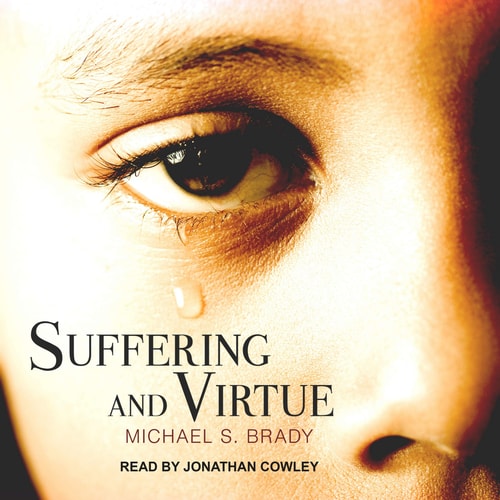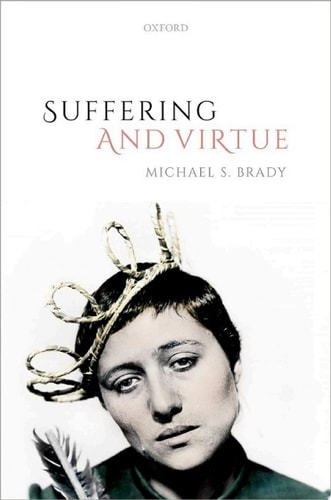
Suffering and Virtue
0
0
As an Amazon Associate and affiliate partner, Menrva Books earns from qualifying purchases. Learn more
Author Description
Suffering, in one form or another, is present in all of our lives. But why do we suffer? On one reading, this is a question about the causes of physical and emotional suffering. On another, it is a question about whether suffering has a point or purpose or value. In this ground-breaking book, Michael Brady argues that suffering is vital for the development of virtue, and hence for us to live happy or flourishing lives. After presenting a distinctive account of suffering and a novel interpretation of its core element - unpleasantness - Brady focuses on three claims that are central to his picture. The first is that forms of suffering, like pain and remorse, can themselves constitute virtuous responses. The second is that suffering is essential for four important classes of virtue: virtues of strength, such as fortitude and courage; virtues of vulnerability, such as adaptability and humility; moral virtues, such as compassion; and the practical and epistemic excellences that make up wisdom. His third and final claim is that suffering is vital for the social virtues of justice, love, and trust, and hence for the flourishing of social groups.
Menrva's Summary
THE THESIS
This book investigates the philosophical question of whether suffering possesses inherent value or purpose in the context of human flourishing. Michael S. Brady, a professor of philosophy, utilizes a framework rooted in virtue ethics to argue that suffering is not merely an obstacle to happiness but a necessary component for the cultivation of moral and practical excellence. He systematically analyzes the nature of unpleasantness and its role in shaping human character and social cohesion.
THE SCOPE MAP
What You Will Find
- A philosophical account of the nature of suffering and its core element of unpleasantness
- An analysis of how pain and remorse function as virtuous responses
- A taxonomy of virtues categorized by strength, vulnerability, morality, and wisdom
- An exploration of the role of suffering in social virtues like justice, love, and trust
Scope Limits
- The text does not provide a clinical or medical guide for managing chronic pain or psychological trauma
- It does not focus on theological or religious justifications for suffering
THE AUTHORITY PERSPECTIVE
Experts in moral philosophy recognize this work as a significant contribution to the study of virtue ethics and the philosophy of emotion. Readers frequently note the academic density of the prose, which requires a strong background in philosophical terminology to fully grasp the author's arguments.
Page Count:
208
Publication Date:
2018-01-01
Publisher:
OUP Oxford
ISBN-10:
0192542044
ISBN-13:
9780192542045
Philosophy
Psychology
Non-Fiction
Conduct Of Life
Moral Philosophy
Ethics