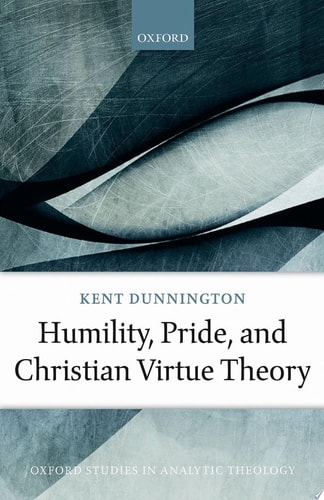
Humility, Pride, and Christian Virtue Theory
0
0
As an Amazon Associate and affiliate partner, Menrva Books earns from qualifying purchases. Learn more
Author Description
Humility, Pride, And Christian Virtue Theory Proposes An Account Of Humility That Relies On The Most Radical Christian Sayings About Humility, Especially Those Found In Augustine And The Early Monastic Tradition. It Argues That This Was The View Of Humility That Put Christian Moral Thought Into Decisive Conflict With The Best Greco-roman Moral Thought. This Radical Christian Account Of Humility Has Been Forgotten Amidst Contemporary Efforts To Clarify And Retrieve The Virtue Of Humility For Secular Life. Kent Dunnington Shows How Humility Was Repurposed During The Early-modern Era-particularly In The Thought Of Hobbes, Hume, And Kant-to Better Serve The Economic And Social Needs Of The Emerging Modern State. This Repurposed Humility Insisted On A Role For Proper Pride Alongside Humility, As A Necessary Constituent Of Self-esteem And A Necessary Motive Of Consistent Moral Action Over Time. Contemporary Philosophical Accounts Of Humility Continue This Emphasis On Proper Pride As A Counterbalance To Humility. By Contrast, Radical Christian Humility Proscribes Pride Altogether. Dunnington Demonstrates How Such A Radical View Need Not Give Rise To Vices Of Humility Such As Servility And Pusillanimity, Nor Need Such A View Fall Prey To Feminist Critiques Of Humility. But The View Of Humility Set Forth Makes Little Sense Abstracted From A Specific Set Of Doctrinal Commitments Peculiar To Christianity. This Study Argues That This Is A Strength Rather Than A Weakness Of The Account Since It Displays How Christianity Matters For The Shape Of The Moral Life.
Menrva's Summary
THE THESIS
This book investigates the historical divergence between radical Christian humility and the repurposed, pride-inclusive models of humility found in modern secular philosophy. Kent Dunnington, a scholar of moral theology, examines how early Christian monastic traditions defined humility as a total rejection of pride. He argues that this original conception was systematically altered by Enlightenment thinkers to align with the social and economic requirements of the modern state, ultimately creating a conflict between theological virtue and contemporary secular ethics.
THE SCOPE MAP
What You Will Find
- Historical analysis of humility in the works of Augustine and early monastic traditions
- Examination of the shift in virtue theory during the early-modern era
- Critical review of Hobbes, Hume, and Kant regarding the integration of pride into moral frameworks
- Theological defense against common critiques such as servility and pusillanimity
Scope Limits
- The text does not provide a secular or universalized definition of humility
- It does not attempt to reconcile radical Christian humility with modern psychological self-esteem models
THE AUTHORITY PERSPECTIVE
Scholars and theologians recognize this work as a rigorous contribution to the field of Christian ethics, particularly for its focus on the incompatibility of traditional monastic humility with modern moral philosophy. Readers frequently note the academic density of the prose and the author's commitment to maintaining the distinctiveness of Christian doctrine within contemporary discourse.
Page Count:
248
Publication Date:
2018-01-01
Publisher:
Oxford University Press
ISBN-10:
0192550519
ISBN-13:
9780192550514
Philosophy
Religion
Virtue Ethics
Christian Theology
Ethics
Community Tags
Other Editions(3)

Similar Books












Reader Comments
Share Your Thoughts
No comments yet. Be the first to share your thoughts!