
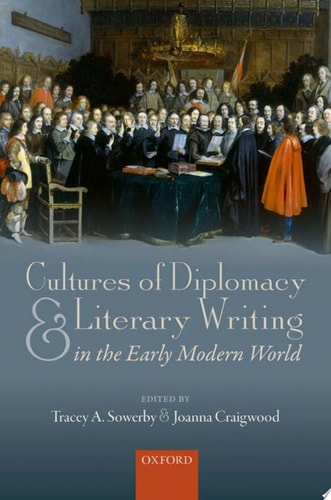
Cultures of Diplomacy and Literary Writing in the Early Modern World
0
0
As an Amazon Associate and affiliate partner, Menrva Books earns from qualifying purchases. Learn more
Author Description
This interdisciplinary volume explores core emerging themes in the study of early modern literary-diplomatic relations, developing essential methods of analysis and theoretical approaches that will shape future research in the field. Contributions focus on three intimately related areas: the impact of diplomatic protocol on literary production; the role of texts in diplomatic practice, particularly those that operated as 'textual ambassadors'; and the impact of changes in the literary sphere on diplomatic culture. The literary sphere held such a central place because it gave diplomats the tools to negotiate the pervasive ambiguities of diplomacy; simultaneously literary depictions of diplomacy and international law provided genre-shaped places for cultural reflection on the rapidly changing and expanding diplomatic sphere. Translations exemplify the potential of literary texts both to provoke competition and to promote cultural convergence between political communities, revealing the existence of diplomatic third spaces in which ritual, symbolic, or written conventions and semantics converged despite particular oppositions and differences. The increasing public consumption of diplomatic material in Europe illuminates diplomatic and literary communities, and exposes the translocal, as well as the transnational, geographies of literary-diplomatic exchanges. Diplomatic texts possessed symbolic capital. They were produced, archived, and even redeployed in creative tension with the social and ceremonial worlds that produced them. Appreciating the generic conventions of specific types of diplomatic texts can radically reshape our interpretation of diplomatic encounters, just as exploring the afterlives of diplomatic records can transform our appreciation of the histories and literatures they inspired.
Menrva's Summary
THE THESIS
This volume investigates the intersection of early modern diplomatic practice and literary production to determine how textual artifacts functioned as agents of political negotiation and cultural exchange. Edited by Joanna Craigwood and Tracey A. Sowerby, the collection synthesizes interdisciplinary research to argue that literary forms provided the necessary framework for diplomats to navigate the ambiguities of international relations. The contributors utilize historical records, diplomatic correspondence, and literary texts to demonstrate how the exchange of documents shaped both political protocol and the evolving literary landscape of the period.
THE SCOPE MAP
What You Will Find
- Analysis of the role of 'textual ambassadors' in early modern statecraft.
- Examination of how diplomatic protocol influenced contemporary literary production.
- Investigation into the use of translations as tools for both political competition and cultural convergence.
- Discussion of the symbolic capital inherent in diplomatic archives and records.
Scope Limits
- The volume focuses primarily on European diplomatic and literary contexts rather than a global survey.
- It does not provide a comprehensive history of early modern diplomacy, but rather focuses on the specific nexus of literature and statecraft.
THE AUTHORITY PERSPECTIVE
Scholars in the field identify this work as a significant contribution to the study of early modern political culture and textual history. The text is noted for its interdisciplinary rigor and its ability to bridge the gap between historical diplomatic practice and literary analysis.
Page Count:
299
Publication Date:
2019-01-01
Publisher:
OUP Oxford
ISBN-10:
0192572636
ISBN-13:
9780192572639
History
History of the Americas
Literary Criticism
Diplomatic History
Early Modern
English & College Success
English
Community Tags
Other Editions(2)
Similar Books
Reader Comments
Share Your Thoughts
No comments yet. Be the first to share your thoughts!