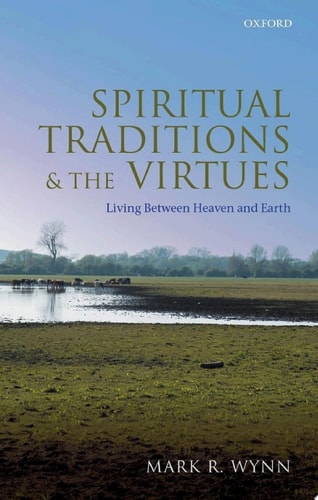
Spiritual Traditions and the Virtues: Living Between Heaven and Earth
0
0
As an Amazon Associate and affiliate partner, Menrva Books earns from qualifying purchases. Learn more
Author Description
Spiritual Traditions and the Virtues develops a philosophical appreciation of the spiritual life. The book shows how a certain conception of spiritual good, one that is rooted in Thomas Aquinas's account of infused moral virtue, can generate a distinctive vision of human life and the possibilities for spiritual fulfilment. Wynn examines the character of the goods to which spiritual traditions are directed; the structure of such traditions, including the connection between their practical and creedal commitments; the relationship between the various vocabularies that are used to describe, from the insider's perspective, progress in the spiritual life; the significance of tradition as an epistemic category; and the question of what it takes for a spiritual tradition to be handed on from one person to another. In his account of the virtues, Aquinas shows how our relations to the everyday world can be folded into our relationship to the divine or sacred reality otherwise conceived. In this sense, he offers a vision of how it is possible to live between heaven and earth. Spiritual Traditions and the Virtues considers how that vision can be extended across the central domains of human thought and experience, and how it can deepen and diversify our understanding of what it is for a human life to be lived well.
Menrva's Summary
THE THESIS
This book investigates how the framework of infused moral virtues, as articulated by Thomas Aquinas, provides a coherent philosophical basis for understanding spiritual fulfillment and human life. Mark R. Wynn, a scholar of philosophy and religion, utilizes Thomistic theology and virtue ethics to construct a model for navigating the tension between mundane existence and sacred aspirations. By analyzing the structural components of spiritual traditions, the author argues that these systems offer a unique epistemic and practical orientation for living well in the world.
THE SCOPE MAP
What You Will Find
- An analysis of the relationship between creedal commitments and practical moral action.
- A philosophical examination of tradition as an epistemic category.
- A study of the transmission of spiritual practices across generations.
- An application of Thomistic virtue theory to contemporary human experience.
Scope Limits
- The text does not provide a comparative survey of non-Western spiritual traditions.
- The work does not offer a practical self-help guide for daily spiritual exercises.
THE AUTHORITY PERSPECTIVE
Scholars and theologians recognize this work as a rigorous contribution to the intersection of virtue ethics and religious philosophy. Readers frequently note the academic density of the prose, which requires a foundational understanding of Thomistic thought to fully engage with the author's arguments.
Page Count:
272
Publication Date:
2020-01-01
Publisher:
OUP Oxford
ISBN-10:
0192607928
ISBN-13:
9780192607928
Spirituality
Religion
Philosophy
Ethics
Theology
Spirituality
Virtue
Community Tags
Similar Books