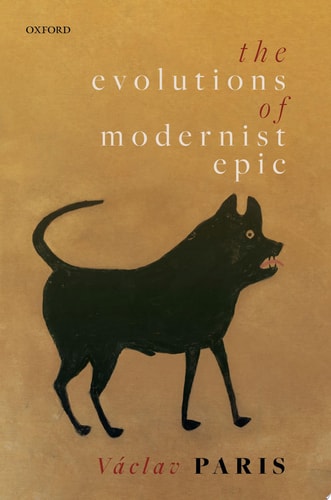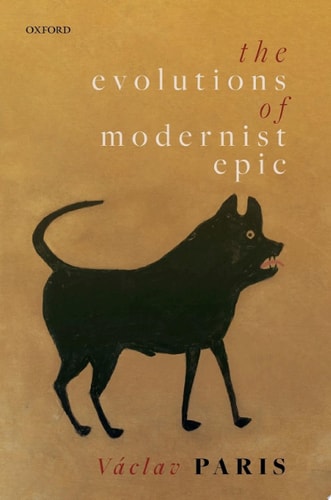
The Evolutions of Modernist Epic
0
0
As an Amazon Associate and affiliate partner, Menrva Books earns from qualifying purchases. Learn more
Author Description
Modernist epic is more interesting and more diverse than we have supposed. As a radical form of national fiction it appeared in many parts of the world in the early twentieth century. Reading a selection of works from the United States, England, Ireland, Czechoslovakia, and Brazil, The Evolutions of Modernist Epic develops a comparative theory of this genre and its global development. That development was, it argues, bound up with new ideas about biological evolution. During the first decades of the twentieth century—a period known, in the history of evolutionary science, as 'the eclipse of Darwinism'—evolution's significance was questioned, rethought, and ultimately confined to the Neo-Darwinist discourse with which we are familiar today. Epic fiction participated in, and was shaped by, this shift. Drawing on queer forms of sexuality to cultivate anti-heroic and non-progressive modes of telling national stories, the genre contested reductive and reactionary forms of social Darwinism. The book describes how, in doing so, the genre asks us to revisit our assumptions about ethnolinguistics and organic nationalism. It also models how the history of evolutionary thought can provide a new basis for comparing diverse modernisms and their peculiar nativisms.
Menrva's Summary
THE THESIS
This book investigates how the development of the modernist epic genre in the early twentieth century was fundamentally shaped by contemporary shifts in evolutionary science. Václav Paris, a scholar of modernist literature, examines the intersection of national fiction and biological theory during the period known as the 'eclipse of Darwinism.' The author argues that modernist epics utilized non-progressive and anti-heroic narrative structures to challenge the reductive social Darwinist ideologies prevalent at the time. By analyzing diverse international texts, the work establishes a comparative framework for understanding how literature engaged with and contested organic nationalism.
THE SCOPE MAP
What You Will Find
- A comparative analysis of modernist epic literature from the United States, England, Ireland, Czechoslovakia, and Brazil.
- A theoretical framework linking literary form to the history of evolutionary science.
- An exploration of how queer sexuality and anti-heroic tropes function as tools for political and social critique.
Scope Limits
- The study focuses specifically on the early twentieth century and does not extend its analysis into late-modernist or postmodernist epic developments.
- The text prioritizes the intersection of biology and nationalism over a comprehensive survey of all modernist epic works.
THE AUTHORITY PERSPECTIVE
Scholars and critics recognize this work as a significant contribution to the study of global modernism and the history of ideas. Readers frequently note the academic density of the prose, which requires a foundational understanding of both literary theory and the history of science to fully appreciate the author's arguments.
Page Count:
225
Publication Date:
2021-01-01
Publisher:
OUP Oxford
ISBN-10:
0192638653
ISBN-13:
9780192638656
History
Literary Criticism
Literary theory
Modernism
Comparative
Evolutionary Biology
Nationalism
Indigenous