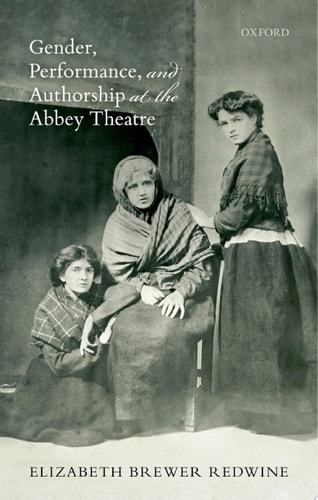
Gender, Performance, and Authorship at the Abbey Theatre
0
0
As an Amazon Associate and affiliate partner, Menrva Books earns from qualifying purchases. Learn more
Author Description
Gender, Performance, and Authorship at the Abbey Theatre argues for a reconsideration of authorship at the Abbey Theatre. The actresses who performed the key roles at the Abbey contributed original ideas, language, stage directions, and revisions to the theatre's most renowned performances and texts, and this study asks that we consider the role of actresses in the development of these plays. Plays that have been historically attributed to W. B. Yeats and J. M. Synge have complicated histories, and the neglect of these women's contributions over the past century reflects power dynamics that privilege male, Anglo Irish writers over the contributions of working class actresses. The study asks that readers consider the importance of past performance in the creation of written text. Yeats began his earliest plays performing with and writing for Laura Armstrong, a young woman who was a precursor to Maud Gonne in her irreverent challenge to traditional gender roles. After writing his first plays and poems for Armstrong, Yeats met Gonne and developed two Cathleen plays, The Countess Cathleen and Cathleen ni Houlihan, for her to perform, beginning a lifetime of fruitful argument between the two writers about how Ireland should appear onstage. The book then turns to Synge's work with Molly Allgood in creating The Playboy of the Western World and Molly's contributions to Synge's Deirdre of the Sorrows. A section on Yeats's Deirdre shows the contributions of Lady Gregory and the play's performers. The book ends with a reconsideration of Abbey actress Sara Allgood's performances in British and American film as she brought her earliest work in the pre-Abbey tableau movement to American audiences in the 1940s, in ways that challenged ideas of Irishness, American identity, and aging women on screen.
Menrva's Summary
THE THESIS
This study investigates how the contributions of actresses at the Abbey Theatre have been historically obscured, arguing that these women were active collaborators in the development of canonical Irish plays. Elizabeth Brewer Redwine, a scholar of modern drama, utilizes archival records and performance history to challenge the traditional attribution of works solely to male playwrights like W. B. Yeats and J. M. Synge. By examining the interplay between performance and text, the author demonstrates that the creative process at the Abbey was a collaborative effort involving significant input from female performers.
THE SCOPE MAP
What You Will Find
- Analysis of the collaborative relationship between W. B. Yeats and actresses Laura Armstrong and Maud Gonne.
- Examination of Molly Allgood's influence on the development of J. M. Synge's major works.
- Investigation into the role of Lady Gregory and performers in the creation of Yeats's Deirdre.
- Discussion of Sara Allgood's later film career and its impact on representations of Irishness and aging.
Scope Limits
- The study focuses primarily on the Abbey Theatre and its specific circle of writers and performers.
- It does not provide a comprehensive history of all Irish theater, focusing instead on the specific power dynamics of the early 20th-century Abbey.
THE AUTHORITY PERSPECTIVE
Scholars in the field of Irish theater history recognize this work as a significant intervention in the study of authorship and gendered labor. Readers frequently note the academic density of the prose and the author's meticulous use of archival evidence to support her claims.
Page Count:
229
Publication Date:
2021-01-01
Publisher:
OUP Oxford
ISBN-10:
0192650173
ISBN-13:
9780192650177
Theater History
Gender Studies
Literary Criticism
Irish literature
Performance Studies
English
English & College Success