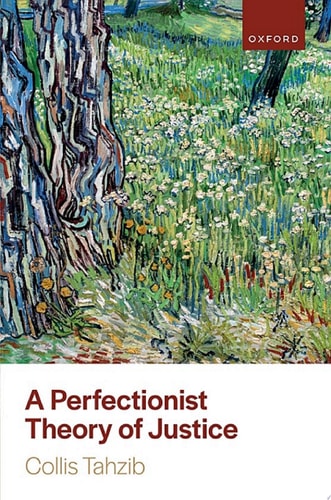
A Perfectionist Theory of Justice
0
0
As an Amazon Associate and affiliate partner, Menrva Books earns from qualifying purchases. Learn more
Author Description
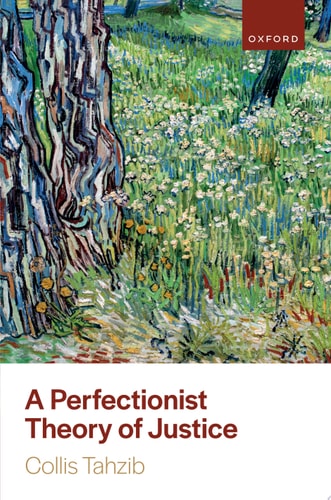
Many liberal political philosophers hold that the state should not impose or even promote any particular conception of the good life or human flourishing. It should not, for instance, enact laws and policies designed to elevate citizens' tastes, to refine their sensibilities or to perfect their characters. Instead, the state should restrict itself to maintaining a fair framework of rights and opportunities within which all citizens can pursue their own beliefs about what constitutes a good life. Against this backdrop, Collis Tahzib develops a version of perfectionist political philosophy. Whereas previous perfectionists have argued that the promotion of flourishing ways of life is permissible or legitimate, Tahzib casts perfectionism as a doctrine of justice. On this view, the implementation of laws and policies designed to promote sound ideals of the good life—ideals such as moral, intellectual and artistic excellence—is not merely a legitimate complement to justice but an essential constituent of justice. Over the years, perfectionism has faced various objections: that it is premised on values and judgements that are controversial within modern pluralistic societies; that it is unduly restrictive of freedom or autonomy; that it treats citizens as if they are children, unable to run their own lives; that it expresses the meddlesome mentality of a village busybody; that it mistakenly assumes that there are objective truths about human flourishing; and that it risks the abuse of power by incompetent, overzealous or corrupt state officials. These ideas represent some of the deepest, most vibrant and most powerful strains in liberal thought. In defending perfectionism against these charges, the arguments in A Perfectionist Theory of Justice make a novel and important contribution to longstanding debates about the philosophical foundations of liberalism.
Menrva's Summary
THE THESIS
Can the state legitimately promote specific ideals of human flourishing as a fundamental requirement of justice? Collis Tahzib, a scholar of political philosophy, challenges the prevailing liberal consensus that the state must remain neutral regarding conceptions of the good life. By synthesizing perfectionist ideals with the requirements of justice, Tahzib argues that the promotion of moral, intellectual, and artistic excellence is an essential duty of a just state rather than a mere optional policy.
THE SCOPE MAP
What You Will Find
- A systematic defense of perfectionist political philosophy as a doctrine of justice.
- Rebuttals to common liberal objections regarding state neutrality, autonomy, and paternalism.
- A framework for distinguishing between legitimate state promotion of flourishing and the abuse of power.
Scope Limits
- The text focuses primarily on theoretical political philosophy rather than specific policy implementation or empirical case studies.
- It does not provide a comprehensive history of all perfectionist thought, focusing instead on the author's specific normative argument.
THE AUTHORITY PERSPECTIVE
Scholars in political theory view this work as a significant intervention in the debate over the foundations of liberalism. Readers frequently note the academic density of the prose, which is intended for an audience familiar with contemporary political philosophy and normative ethics.
Page Count:
581
Publication Date:
2022-01-01
Publisher:
OUP Oxford
ISBN-10:
0192662759
ISBN-13:
9780192662750
Ethics
Political Theory
Liberalism
Justice
Political Philosophy