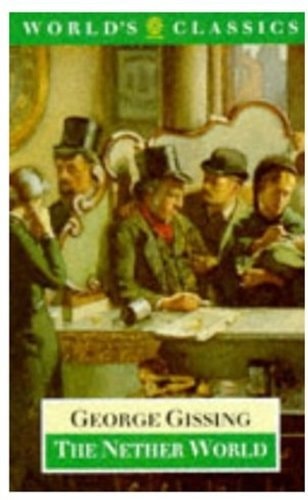
The Nether World
0
0
As an Amazon Associate and affiliate partner, Menrva Books earns from qualifying purchases. Learn more
Author Description
The Nether World (1889), generally regarded as the finest of Gissing's early novels, is a highly dramatic, sometimes violent tale of man's caustic vision shaped by the bitter personal experience of poverty. This tale of intrigue depicts life among the artisans, factory-girls, and slum-dwellers, documenting an inescapable world devoid of sentimentality and steeped with people scheming and struggling to survive. With Zolaesque intensity and relentlessness, Gissing lays bare the economic forces which determine the aspirations and expectations of those born to a life of labor.
Menrva's Summary
THE PULSE
A stark examination of the crushing weight of poverty, the narrative follows the lives of London's working class as they navigate the brutal economic realities of the late nineteenth century. The protagonist and surrounding characters struggle against the systemic limitations of their environment, where every choice is dictated by the necessity of survival. Gissing employs a third-person omniscient perspective to document the cyclical nature of despair and the erosion of individual ambition. The narrative framework emphasizes the physical decay of the urban landscape, mirroring the moral and social decline of its inhabitants.
INSIDE THE PAGES
- Detailed depiction of Victorian slum life
- Exploration of the influence of economic determinism
- Character-driven focus on the working class
- Naturalistic prose style
- Absence of romanticized sentimentality
- Examination of social mobility and its failures
- Integration of industrial labor themes
- Critical commentary on urban poverty
THE COLLECTIVE ECHO
Discussion often centers on the uncompromising bleakness of Gissing's portrayal of the London poor. Readers frequently highlight the author's ability to maintain a detached, clinical observation of his characters' suffering without resorting to melodrama. Critics often compare the work to the naturalism of Émile Zola, noting the relentless focus on environmental factors that shape human behavior. The pacing is noted for its deliberate, heavy progression, which effectively mirrors the stagnation of the lives depicted within the text. Many readers find the lack of traditional resolution to be a defining feature that reinforces the book's central argument regarding the inescapable nature of poverty.
Page Count:
448
Publication Date:
1992-01-01
Publisher:
Oxford University Press
ISBN-10:
0192817698
ISBN-13:
9780192817693
Historical Fiction
Victorian
Social Commentary
Classic Literature
Realism