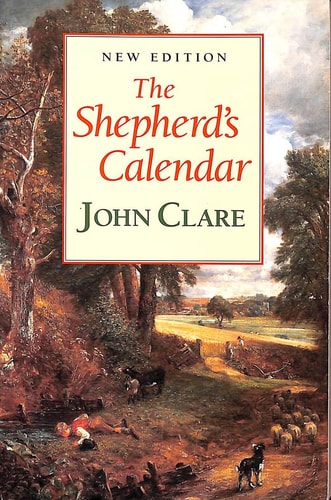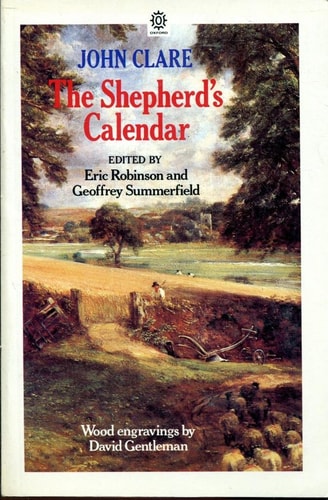
The Shepherd's Calendar
0
0
As an Amazon Associate and affiliate partner, Menrva Books earns from qualifying purchases. Learn more
Author Description
The poet, John Clare, who lived from 1793-1864, was the son of a Northamptonshire labourer and himself at various times a herd boy, militiaman, vagrant and unsuccessful farmer. He writes of the countryside and of village life with the special intensity of one who knows the land and its people intimately. "The Shepherd's Claendar", his most ambitious single poem, is both a classic of English poetry and a piece of social history, representing a statement about English country life from the point of view of its most silent representative - the agricultural labourer.To the modern reader "The Shepherd's Calendar" should be of interest because of the accuracy of its portrayal of natural life inthe different months of the year. It evokes natural life, using popular language, often derived from folk-songs and ballads.The book provides a sort of almanack of country life, detailing the tasks to be performed in each month of the ploughing in February, lambing in March, weeding in May, hay-making in June and so on. It also describes the flowers, the birds and the beasts to be found in hedgerow and field. It celebrates the festivals of the year - May Day games, shee-shearing feasts, Harvest Home and Christmas. As such, it will appeal to anyone who knows anything about nature in Britain or about farming life.This new edition of the text corrects numerous earlier misreadings as well as supplying substantial changes to "July" and "October". there is also a new introduction detailing the continuing importance of the poem to modern readers.
Menrva's Summary
THE PULSE
John Clare chronicles the cyclical rhythms of rural existence through the lens of a nineteenth-century agricultural labourer. The poem follows the progression of the seasons, documenting the specific tasks, social customs, and natural phenomena that define the life of a shepherd. Written with an intimate knowledge of the Northamptonshire landscape, the work serves as both a personal observation of the land and a broader commentary on the social conditions of the working class. The narrative structure mirrors the calendar year, providing a systematic account of the labor and traditions inherent to each month.
INSIDE THE PAGES
- Chronological structure organized by the twelve months of the year
- Detailed descriptions of seasonal agricultural tasks such as ploughing, lambing, and hay-making
- Integration of folk-song and ballad-inspired language
- Extensive documentation of local flora and fauna
- Depiction of traditional rural festivals including May Day and Harvest Home
- First-hand perspective of the agricultural labourer
- Focus on the intersection of human labor and natural cycles
- Linguistic fidelity to regional vernacular and rural traditions
THE COLLECTIVE ECHO
Readers and critics frequently highlight the work for its precise observation of natural life and its authentic representation of nineteenth-century rural culture. Discussion often centers on the poem's dual identity as a literary classic and a valuable piece of social history. Many appreciate the balance between the technical details of farming and the lyrical celebration of the British countryside. The text is often cited for its ability to preserve the voice of the agricultural labourer, providing a perspective rarely captured in the literature of the period.
Page Count:
154
Publication Date:
1973-05-03
Publisher:
Oxford University Press
ISBN-10:
0192811428
ISBN-13:
9780192811424
Poetry
Nature
Agriculture
19th Century
Social History
British literature
Community Tags
Similar Books