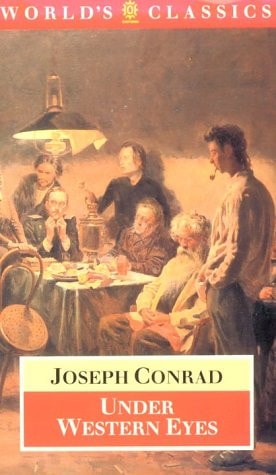
Under Western Eyes
0
0
As an Amazon Associate and affiliate partner, Menrva Books earns from qualifying purchases. Learn more
Author Description
Bomb-throwing assassins, political repression and revolt, emigre revolutionaries infiltrated by a government spy: much of Under Western Eyes (1911) is more topical than we would wish. Set in Czarist Russia and in Geneva, and told through the Western eyes of Conrad's English narrator, we are given a somber but not entirely pessimistic view of the human dilemmas which are born of oppression and violence. It is by common critical consent, one of Conrad's finest novels.
Menrva's Summary
THE PULSE
The accidental involvement of a student in a political assassination forces him into a web of betrayal and espionage that threatens his moral integrity. Razumov, a solitary student in Czarist Russia, finds his life upended when a revolutionary seeks refuge in his room, leading him to betray the man to the authorities. This act of self-preservation traps Razumov in a cycle of deceit as he is coerced into acting as a government spy among the Russian exile community in Geneva. The narrative unfolds through the perspective of an English teacher, creating a layer of distance that emphasizes the cultural and psychological divide between the observer and the observed.
INSIDE THE PAGES
- Use of a detached, unreliable narrator to frame the events
- Exploration of the psychological burden of guilt and betrayal
- Contrast between the political volatility of Russia and the perceived stability of Switzerland
- Examination of the ethics of political violence and state repression
- Focus on the isolation of the individual within a rigid social structure
- Intricate character studies of political exiles and government agents
- Pacing that prioritizes internal monologue over external action
- Themes of identity, surveillance, and the corruption of conscience
THE COLLECTIVE ECHO
Readers and critics frequently highlight the novel's dense, psychological focus and its somber, analytical tone. Discussion often centers on the moral ambiguity of Razumov's choices and the effectiveness of the English narrator as a lens for Western perceptions of Russian political turmoil. Many note that the pacing is deliberate and reflective, favoring deep character development over the rapid plot progression typical of espionage thrillers. The work is widely regarded for its complex exploration of how political systems exert pressure on the individual psyche. It remains a significant point of interest for those examining the intersection of personal ethics and state-sponsored violence.
Page Count:
424
Publication Date:
1996-08-08
Publisher:
Oxford University Press
ISBN-10:
0192816195
ISBN-13:
9780192816191
Historical Fiction
Terrorism fiction
Fiction political
Espionage
Classic Literature
Switzerland fiction
Saint petersburg russia fiction
Psychological
Political fiction
Community Tags
Other Editions(81)

Independently published
2023
Default edition
MJP Publishers
2023
True Sign Publishing House
2023

Creative Media Partners, LLC
2022
Independently Published
2022

Independently Published
2021

Neeland Media
2021
Independently Published
2021

Independently Published
2021

Repro India Limited
2021
Independently Published
2021
Independently Published
2020
Independently Published
2020

Independently Published
2019
Independently Published
2019

Independently Published
2019

Amazon Digital Services LLC - KDP Print US
2019
BoD – Books on Demand
2018

CreateSpace Independent Publishing Platform
2018

CreateSpace Independent Publishing Platform
2018

CreateSpace Independent Publishing Platform
2018
CreateSpace Independent Publishing Platform
2018

CreateSpace Independent Publishing Platform
2018

Independently Published
2018

CreateSpace Independent Publishing Platform
2018
CreateSpace Independent Publishing Platform
2018

CreateSpace Independent Publishing Platform
2017
CreateSpace Independent Publishing Platform
2017

CreateSpace Independent Publishing Platform
2017
CreateSpace Independent Publishing Platform
2017
CreateSpace Independent Publishing Platform
2017

CreateSpace Independent Publishing Platform
2017
CreateSpace Independent Publishing Platform
2017

CreateSpace Independent Publishing Platform
2017
CreateSpace Independent Publishing Platform
2017

CreateSpace Independent Publishing Platform
2017
CreateSpace Independent Publishing Platform
2017

CreateSpace Independent Publishing Platform
2017
CreateSpace Independent Publishing Platform
2017
CreateSpace Independent Publishing Platform
2017

CreateSpace Independent Publishing Platform
2017
CreateSpace Independent Publishing Platform
2017
CreateSpace Independent Publishing Platform
2017
CreateSpace Independent Publishing Platform
2017

CreateSpace Independent Publishing Platform
2017
CreateSpace Independent Publishing Platform
2017
CreateSpace Independent Publishing Platform
2017
CreateSpace Independent Publishing Platform
2017
CreateSpace Independent Publishing Platform
2017
CreateSpace Independent Publishing Platform
2017

CreateSpace Independent Publishing Platform
2017
CreateSpace Independent Publishing Platform
2017
CreateSpace Independent Publishing Platform
2017

CreateSpace Independent Publishing Platform
2016

Barnes & Noble Press
2016

CreateSpace Independent Publishing Platform
2016

CreateSpace Independent Publishing Platform
2015
CreateSpace Independent Publishing Platform
2015

CreateSpace Independent Publishing Platform
2015
Creative Media Partners, LLC
2015
CreateSpace Independent Publishing Platform
2014
CreateSpace Independent Publishing Platform
2011

ReadaClassic.com
2010

Broadview Press
2009
Oxford University Press
2009

The Floating Press
2009
ReadHowYouWant.com
2009

MobileReference
2009
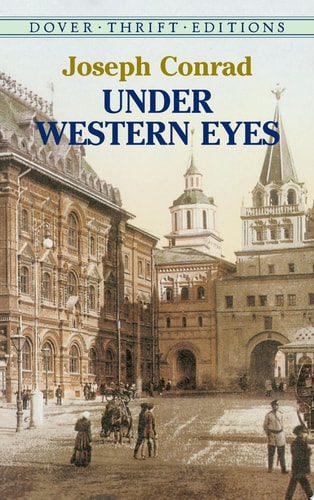
Courier Corporation
2003
Classic Books
2001

Könemann
2000
Oxford University Press
1996
Everyman's Library
1991
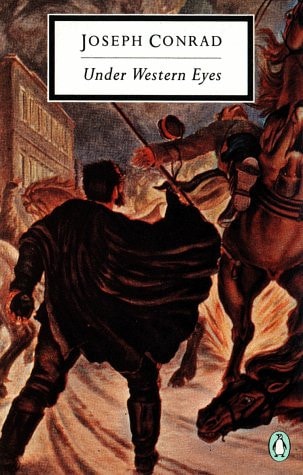
Penguin Books
1989

ReadHowYouWant.com
1973

ReadHowYouWant.com
1968

ReadHowYouWant.com
1966

ReadHowYouWant.com
1963

ReadHowYouWant.com
1957
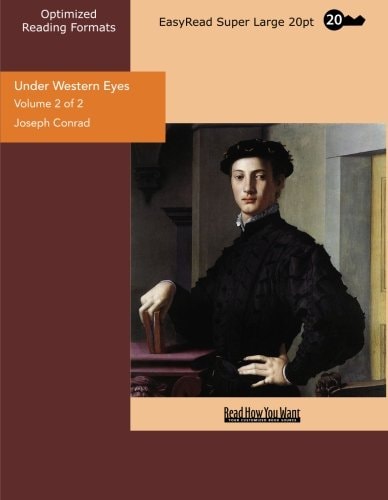
ReadHowYouWant.com
1929
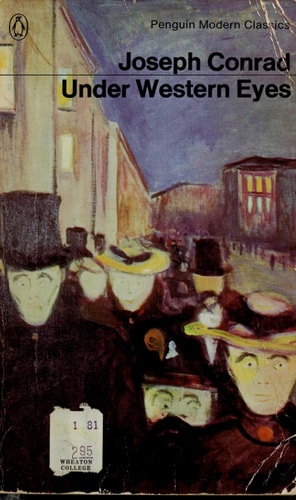
Penguin Books
1911
Similar Books


Reader Comments
Share Your Thoughts
No comments yet. Be the first to share your thoughts!