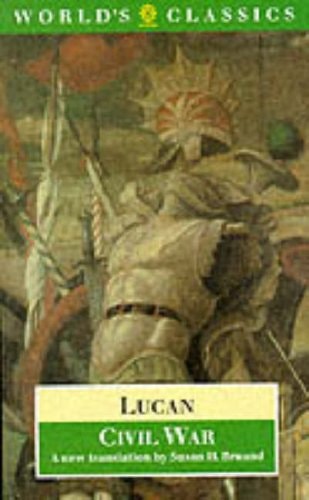
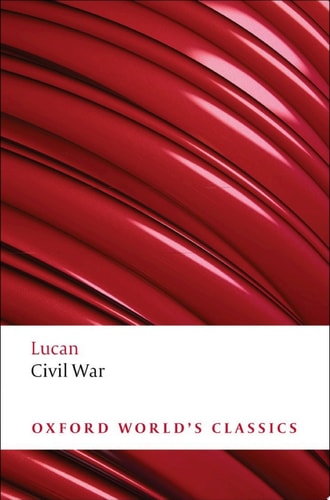
Civil War
0
0
As an Amazon Associate and affiliate partner, Menrva Books earns from qualifying purchases. Learn more
Author Description
Lucan's epic poem on the civil war between Caesar and Pompey, unfinished at the time of his death, stands beside the poems of Virgil and Ovid in the first rank of Latin epic. This newly annotated, free verse translation conveys the full force of Lucan's writing and his grimly realistic view of the subject. The work is a powerful condemnation of civil war, emphasizing the stark, dark horror of the catastrophies which the Roman state inflicted upon itself. Both the introduction and glossary set the scene for readers unfamiliar with Lucan and explore his relationship with earlier writers of Latin epic, and his interest in the sensational.
Menrva's Summary
THE PULSE
The poem centers on the brutal conflict between Julius Caesar and Pompey the Great as the Roman Republic descends into internal collapse. Lucan follows the political and military maneuvers of the two primary antagonists, detailing the erosion of Roman values and the physical destruction of the state. The narrative framework utilizes epic verse to document the shift from democratic governance to autocratic rule. The protagonist, if one can be identified in such a fractured landscape, is the Roman state itself, struggling against the logical constraints of inevitable civil ruin and the hubris of its leaders.
INSIDE THE PAGES
- Historical epic structure
- Focus on political instability
- Realistic depiction of warfare
- Critique of autocratic power
- Use of sensationalist imagery
- Unfinished narrative arc
- Comparison to Virgil and Ovid
- Annotated glossary for context
THE COLLECTIVE ECHO
Readers and critics frequently note the grim, realistic tone that distinguishes this work from more idealized Roman epics. Discussion often centers on Lucan's departure from traditional mythological tropes in favor of a stark, historical focus on the horrors of internal conflict. Scholars highlight the effectiveness of his writing in conveying the psychological weight of the Roman state's self-inflicted destruction. The text is often analyzed for its influence on later political literature and its unique position within the Latin canon.
Page Count:
400
Publication Date:
1993-01-14
Publisher:
Oxford University Press
ISBN-10:
0192829947
ISBN-13:
9780192829948
History
Epic Poetry
Roman History
War
Classical
Community Tags
Other Editions(7)



Reader Comments
Share Your Thoughts
No comments yet. Be the first to share your thoughts!