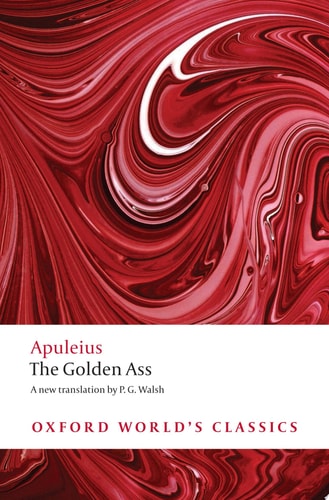
The Golden Ass
0
0
As an Amazon Associate and affiliate partner, Menrva Books earns from qualifying purchases. Learn more
Author Description
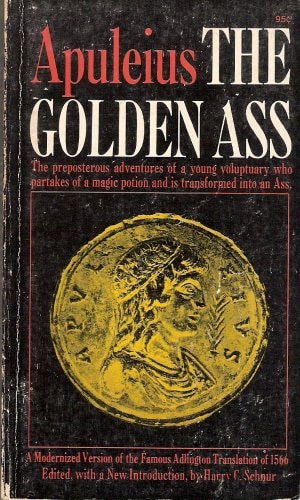
Apuleius's Golden Ass is a unique, entertaining, and thoroughly readable Latin novel--the only work of fiction in Latin to have survived from antiquity. It tells the story of the hero Lucius, whose curiosity and fascination for sex and magic results in his transformation into an ass. After suffering a series of trials and humiliations, he is ultimately returned to human shape by the kindness of the goddess Isis. Simultaneously a blend of romantic adventure, fable, and religious testament, The Golden Ass is one of the truly seminal works of European literature, of intrinsic interest as a novel in its own right, and one of the earliest examples of the picaresque. This new translation is at once faithful to the meaning of the Latin, while reproducing all the exuberance of the original.About the Series: For over 100 years Oxford World's Classics has made available the broadest spectrum of literature from around the globe. Each affordable volume reflects Oxford's commitment to scholarship, providing the most accurate text plus a wealth of other valuable features, including expert introductions by leading authorities, voluminous notes to clarify the text, up-to-date bibliographies for further study, and much more.
Menrva's Summary
THE PULSE
Driven by an insatiable curiosity for magic, the protagonist Lucius accidentally transforms himself into a donkey, setting off a chaotic odyssey of survival. Lucius must navigate a world filled with thieves, corrupt priests, and cruel masters while trapped in his animal form. His objective is to regain his humanity, a goal that forces him to endure physical hardship and social degradation. The narrative employs a picaresque structure, moving through various episodic encounters that blend dark humor with philosophical inquiry.
INSIDE THE PAGES
- First-person narrative perspective from the protagonist Lucius
- Episodic structure characteristic of the picaresque genre
- Integration of Milesian tales and embedded fables
- Satirical commentary on the social and religious customs of the Roman Empire
- Themes of transformation, curiosity, and divine intervention
- Vivid descriptions of ancient Mediterranean life and travel
- Shift from bawdy comedy to serious religious devotion
- Use of metamorphosis as a catalyst for moral and spiritual change
THE COLLECTIVE ECHO
Readers and critics frequently highlight the work's unique position as the only complete Latin novel surviving from antiquity. Discussion often centers on the abrupt tonal shift between the ribald, comedic early chapters and the solemn, mystical conclusion involving the goddess Isis. Scholars note the effectiveness of the world-building, which captures the anxieties and superstitions of the Roman era with remarkable clarity. The pacing is often described as brisk and episodic, allowing for a wide variety of character interactions that keep the narrative momentum high. Many readers find the blend of satire and spiritual allegory to be a complex, rewarding experience that remains relevant to modern literary study.
Page Count:
336
Publication Date:
2008-06-15
Publisher:
Oxford University Press
ISBN-10:
0199540551
ISBN-13:
9780199540556
Adventure
Fantasy
Satire
Mythology
classic
Ancient
Community Tags
Other Editions(9)


Similar Books







Reader Comments
Share Your Thoughts
No comments yet. Be the first to share your thoughts!