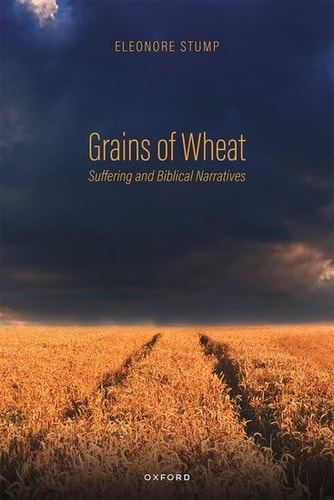
Grains of Wheat: Suffering and Biblical Narratives
0
0
As an Amazon Associate and affiliate partner, Menrva Books earns from qualifying purchases. Learn more
Author Description
There is a kind of knowledge that is non-propositional; one variety of it can be acquired in second-person experience of another person, but it can also be transmitted through narratives. This narratively mediated kind of knowledge can be significant for philosophical and theological reflection. Biblical narratives have prompted detailed reflection for so many centuries because they offer profound insights into the nature of the human condition and human flourishing. This book brings together detailed examinations of narratives in the Hebrew Bible and the New Testament to yield one large, emergent story, which has something to teach that can be missed when the stories are taken in isolation from one another. These are the stories of Job, Samson, Abraham, Mary of Bethany, the temptations of Christ, the passion of Christ, and the story from the book of Ecclesiastes. Taken together, these narratives depict a possible world in which there is a good for suffering human beings that outweighs their suffering and that could not be gotten without the suffering, not even in a world without the Fall. On this emergent larger story, human suffering is defeated, and peace and joy in human life are possible.
Menrva's Summary
THE THESIS
This work investigates how narratively mediated knowledge within biblical texts provides a philosophical framework for understanding the purpose and potential redemptive value of human suffering. Eleonore Stump, a prominent philosopher of religion, utilizes her expertise in analytic theology to examine specific accounts from the Hebrew Bible and the New Testament. By synthesizing these disparate stories, she argues that suffering can be integrated into a larger narrative of human flourishing where peace and joy remain attainable.
THE SCOPE MAP
What You Will Find
- Philosophical analysis of non-propositional knowledge transmitted through narrative.
- Detailed examinations of Job, Samson, Abraham, Mary of Bethany, and the Passion of Christ.
- A theological argument regarding the necessity of suffering for specific types of human good.
Scope Limits
- The text focuses primarily on analytic theological and philosophical interpretations rather than historical-critical or archaeological analysis.
- It does not provide a comprehensive survey of all biblical narratives concerning suffering.
THE AUTHORITY PERSPECTIVE
Scholars and theologians frequently note the rigorous academic density of Stump's prose, which bridges the gap between analytic philosophy and biblical exegesis. Experts highlight this as a significant contribution to the field of analytic theology, particularly for its innovative approach to theodicy.
Page Count:
448
Publication Date:
2025-06-27
Publisher:
Oxford University Press
ISBN-10:
0192871196
ISBN-13:
9780192871190
Philosophy
Politics
Christian ethics
Bible Study
Philosophy of
Ethics & Morality
Theology
Analytic Theology
Community Tags
Similar Books