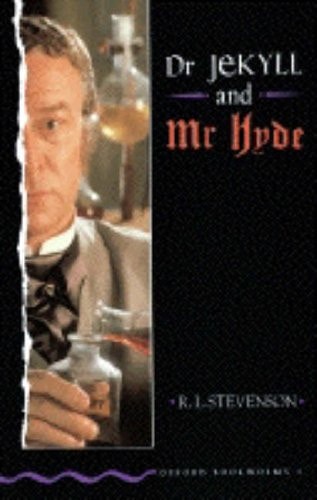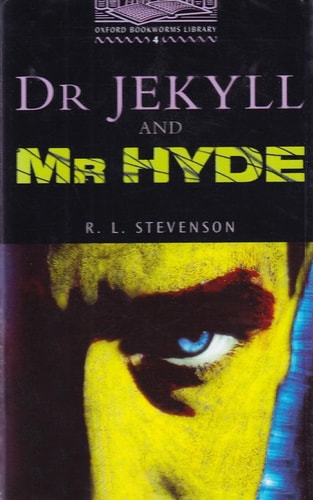
Dr. Jekyll and Mr. Hyde
0
0
As an Amazon Associate and affiliate partner, Menrva Books earns from qualifying purchases. Learn more
Author Description
You are walking through the streets of London. It is getting dark and you want to get home quickly. You enter a narrow side-street. Everything is quiet, but as you pass the door of a large, windowless building, you hear a key turning in the lock. A man comes out and looks at you. You have never seen him before, but you realize immediately that he hates you. You are shocked to discover, also, that you hate him. Who is this man that everybody hates? And why is he coming out of the laboratory of the very respectable Dr Jekyll?
Menrva's Summary
THE PULSE
A respectable doctor’s reputation is threatened by the emergence of a violent, mysterious figure who seems inextricably linked to his private laboratory. Dr. Henry Jekyll, a man of science and high social standing, finds his life unraveling as the sinister Edward Hyde begins to exert control over his existence. The narrative, presented through a series of perspectives including legal documents and personal accounts, examines the duality of human nature. Jekyll must navigate the logical constraints of Victorian morality while attempting to contain the physical and psychological manifestations of his own darker impulses. The story unfolds as a mystery, forcing those around Jekyll to confront the reality of his secret experiments.
INSIDE THE PAGES
- Victorian London setting
- Epistolary narrative structure
- Exploration of moral duality
- Gothic atmosphere
- Psychological suspense
- Scientific experimentation themes
- First-person witness accounts
- Gradual revelation of character identity
THE COLLECTIVE ECHO
Readers frequently highlight the effectiveness of the novella’s atmospheric tension and its enduring relevance in discussions regarding human nature. Discussion often centers on the stark contrast between the respectable Dr. Jekyll and the repulsive Mr. Hyde, which serves as a central pillar for the story's pacing. Critics often note that the brevity of the work allows for a focused examination of its themes without unnecessary narrative filler. The balance between the mystery of Hyde's identity and the philosophical implications of Jekyll's actions remains a primary point of interest for audiences. This work is widely regarded as a foundational text in the gothic genre that continues to influence modern storytelling.
Page Count:
0
Publication Date:
1995-09-07
Publisher:
Oxford University Press España, S.A.
ISBN-10:
019422791X
ISBN-13:
9780194227919
Horror
Politics
Thriller
Mystery
Schools & Teaching
Gothic
Reference
Foreign Study
classic