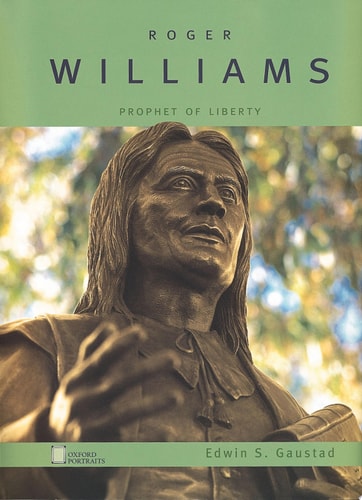
Roger Williams: Prophet of Liberty
0
0
As an Amazon Associate and affiliate partner, Menrva Books earns from qualifying purchases. Learn more
Author Description
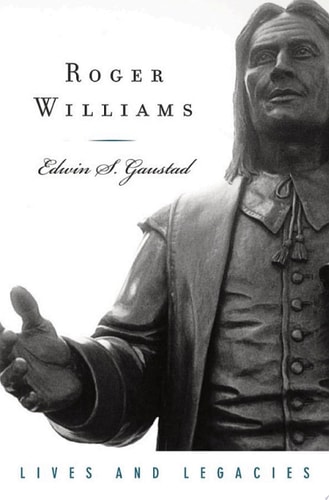
Roger Williams chronicles the life of one of the most remarkable forefathers in American history. A true revolutionary, this devout Puritan championed Native American rights; wrote treatises on equal rights, flag desecration, and the separation of church and state; established the first American settlement based on total religious toleration--and he lived more than a century before independence, when America was still a vast wilderness! Williams went on to adopt adult baptism and founded the first Baptist church in America. He became president of Rhode Island colony in 1654, served as captain in the defense of Providence during King Philip's War, and continued to write and preach passionately for religious tolerance and Native American rights until his death in 1683.
Menrva's Summary
THE THESIS
How did Roger Williams, a devout Puritan, transform from a religious dissenter into a foundational architect of American liberty and the separation of church and state? Edwin S. Gaustad, a noted historian of American religion, utilizes primary source documents and historical context to trace Williams's life from his early years in England to his leadership in the Rhode Island colony. The book argues that Williams's radical commitment to individual conscience and religious toleration provided a critical, often overlooked, intellectual framework for the future American republic.
THE SCOPE MAP
What You Will Find
- Detailed examination of 17th-century colonial American political and religious structures.
- Analysis of Williams's advocacy for Native American rights and land sovereignty.
- Historical account of the founding of the first Baptist church in America.
- Primary source evidence regarding the development of the separation of church and state.
THE AUTHORITY PERSPECTIVE
Experts recognize this work as an accessible and well-researched introduction to a pivotal figure in early American history. Readers frequently note that the prose is clear and engaging, making it a valuable resource for students and those interested in the origins of American religious freedom.
Page Count:
144
Publication Date:
2001-05-10
Publisher:
Oxford University Press
ISBN-10:
0195130006
ISBN-13:
9780195130003
Politics
Religion
Biography
History
Freedom of religion
Reformers
Rhode Island_history
Puritans
Colonial History
Baptists
American History
Community Tags
Similar Books