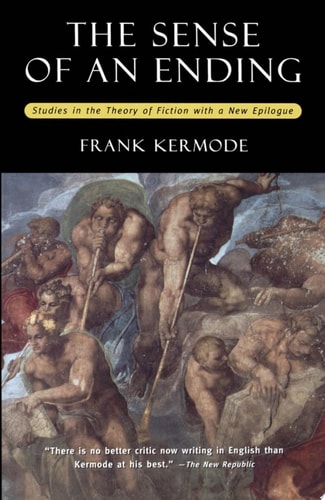
The Sense of an Ending: Studies in the Theory of Fiction
0
0
As an Amazon Associate and affiliate partner, Menrva Books earns from qualifying purchases. Learn more
Author Description
Frank Kermode is one of our most distinguished critics of English literature. Here, he contributes a new epilogue to his collection of classic lectures on the relationship of fiction to age-old concepts of apocalyptic chaos and crisis. Prompted by the approach of the millennium, he revisits the book which brings his highly concentrated insights to bear on some of the most unyielding philosophical and aesthetic enigmas. Examining the works of writers from Plato to William Burrows, Kermode shows how they have persistently imposed their "fictions" upon the face of eternity and how these have reflected the apocalyptic spirit. Kermode then discusses literature at a time when new fictive explanations, as used by Spenser and Shakespeare, were being devised to fit a world of uncertain beginning and end. He goes on to deal perceptively with modern literature with "traditionalists" such as Yeats, Eliot, and Joyce, as well as contemporary "schismatics," the French "new novelists," and such seminal figures as Jean-Paul Sartre and Samuel Beckett. Whether weighing the difference between modern and earlier modes of apocalyptic thought, considering the degeneration of fiction into myth, or commenting on the vogue of the Absurd, Kermode is distinctly lucid, persuasive, witty, and prodigal of ideas.
Menrva's Summary
THE THESIS
How do human beings construct narrative fictions to impose order and meaning upon the chaotic, entropic nature of time and existence? Frank Kermode, a preeminent scholar of English literature, utilizes this collection of lectures to examine the intersection of apocalyptic thought and literary structure. By analyzing the evolution of narrative from classical antiquity through the modern era, he argues that humans create 'fictions'—or provisional explanations—to bridge the gap between the beginning and the end of their lives, effectively managing the anxiety of living in a world that lacks inherent teleological certainty.
THE SCOPE MAP
What You Will Find
- Historical analysis of apocalyptic themes in literature from Plato to the 20th century.
- Comparative study of traditionalist writers like Yeats, Eliot, and Joyce versus contemporary schismatics.
- Theoretical exploration of the distinction between 'myth' and 'fiction' in aesthetic practice.
- Examination of how Renaissance figures like Spenser and Shakespeare adapted narrative forms to fit a changing worldview.
THE AUTHORITY PERSPECTIVE
Experts and scholars consistently identify this work as a foundational text in literary theory, particularly for its profound influence on narratology and the study of apocalyptic literature. Readers frequently note the intellectual density of the prose, which demands careful engagement with Kermode's philosophical arguments regarding the human need for structured endings.
Page Count:
224
Publication Date:
2000-04-06
Publisher:
Oxford University Press
ISBN-10:
0195136128
ISBN-13:
9780195136128
Non-Fiction
Philosophy
Literature
Literary Criticism
Aesthetics
Community Tags
Other Editions(4)
Similar Books

Reader Comments
Share Your Thoughts
No comments yet. Be the first to share your thoughts!