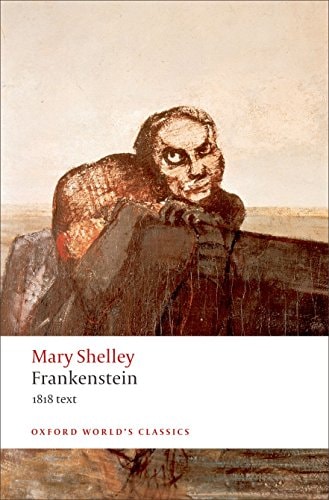
Frankenstein
0
0
As an Amazon Associate and affiliate partner, Menrva Books earns from qualifying purchases. Learn more
Author Description
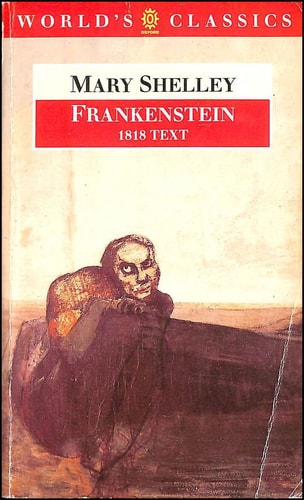
Shelley's enduringly popular and rich gothic tale, Frankenstein, confronts some of the most feared innovations of evolutionism and science--topics such as degeneracy, hereditary disease, and humankind's ability to act as creator of the modern world. This new edition, based on the harder and wittier 1818 version of the text, draws on new research and examines the novel in the context of the controversial radical sciences developing in the years following the Napoleonic Wars. In addition it shows the relationship of Frankenstein's experiment to the contemporary debate between champions of materialistic science and proponents of received religion.About the Series: For over 100 years Oxford World's Classics has made available the broadest spectrum of literature from around the globe. Each affordable volume reflects Oxford's commitment to scholarship, providing the most accurate text plus a wealth of other valuable features, including expert introductions by leading authorities, voluminous notes to clarify the text, up-to-date bibliographies for further study, and much more.
Menrva's Summary
THE PULSE
Victor Frankenstein’s obsessive pursuit of forbidden knowledge leads to the creation of a sentient being that ultimately destroys his life and those he holds dear. Driven by a desire to conquer death and unlock the secrets of life, Victor constructs a creature from stolen body parts, only to abandon it in horror upon its animation. The narrative, structured as an epistolary frame story involving Captain Robert Walton, follows the creature’s desperate search for connection and its subsequent descent into vengeance against its creator. The world is defined by the rigid social hierarchies of the 19th century and the emerging, often dangerous, boundaries of natural philosophy.
INSIDE THE PAGES
- Epistolary narrative structure utilizing letters and journals
- Exploration of the ethics of scientific advancement
- Themes of isolation and the necessity of human companionship
- The creature as a mirror for the protagonist’s own moral failings
- Gothic atmosphere characterized by desolate landscapes and internal dread
- Philosophical inquiries into the nature of the soul and creation
- Contrast between the domestic sphere and the pursuit of ambition
- Examination of the consequences of parental abandonment
THE COLLECTIVE ECHO
Readers frequently highlight the novel's enduring relevance in discussions regarding the ethical limits of scientific innovation. Critics often focus on the duality between Victor and his creature, noting how each character reflects the other's capacity for both benevolence and malice. The pacing is often described as deliberate, allowing for deep introspection on themes of alienation and social responsibility. Discussion often centers on the creature's articulate nature, which challenges traditional perceptions of monstrosity and humanity. Many readers find the atmospheric descriptions of the Arctic and the Swiss Alps essential to the story's overall impact.
Page Count:
111
Publication Date:
2015-01-01
Publisher:
FisicalBook
ISBN-10:
0199537151
ISBN-13:
9780199537150
Horror
Science Fiction
Frankenstein fictitious character fiction
Gothic
classic
Switzerland fiction
Fiction - Horror
Philosophical
Scientists fiction
Science Fiction
Community Tags
Other Editions(38)
Independently published
2025
Default edition
Independently published
2025
Oxford University Press
2024

Independently published
2023

Independently published
2023
Independently published
2023

Independently published
2023

Independently published
2023

Independently published
2022

Independently published
2022

Independently Published
2022

Independently published
2022

Independently published
2022

Independently published
2022

Independently published
2022

Independently published
2021

Independently Published
2021

Independently Published
2021

Independently published
2021

Independently published
2020
Independently Published
2019

Penguin Classics
2017
FisicalBook
2015

Ideenbrücke Verlag
2015
Oxford University Press
2014

CreateSpace Independent Publishing Platform
2012
Fantastica
2012

Recorded Books, Inc.
2011
CreateSpace Independent Publishing Platform
2011

General Books LLC
2009

Ann Arbor Editions LLC
2008
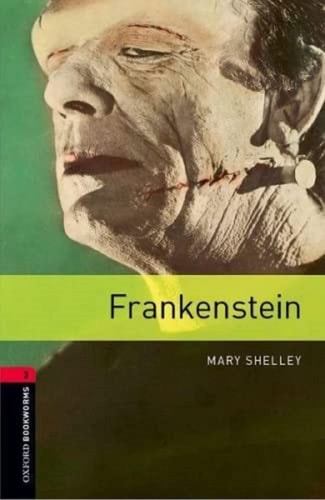
Oxford University Press
2007

Recorded Books, Inc.
2006

Hodder Audio
2006
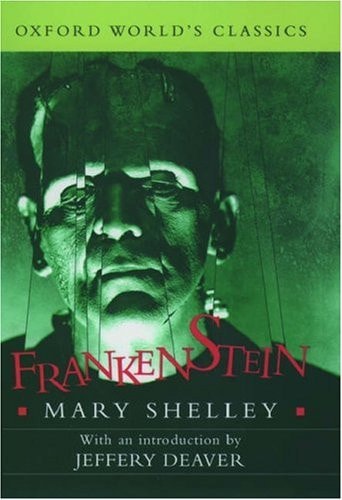
Oxford University Press
2001
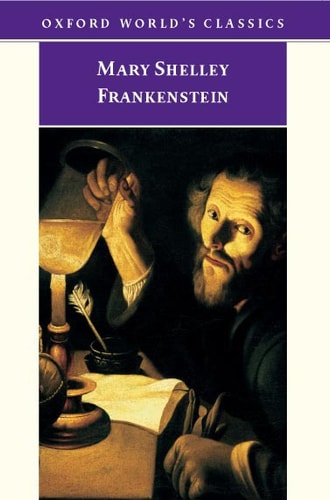
Oxford University Press, USA
1998

Lake Publishing Company
1994
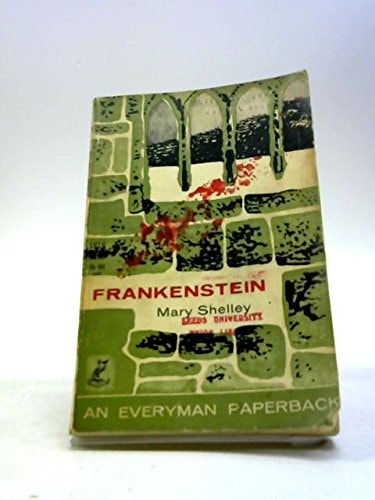
Scribner
1961
Similar Books

Reader Comments
Share Your Thoughts
No comments yet. Be the first to share your thoughts!