Symbolist Art
0
0
As an Amazon Associate and affiliate partner, Menrva Books earns from qualifying purchases. Learn more
Author Description
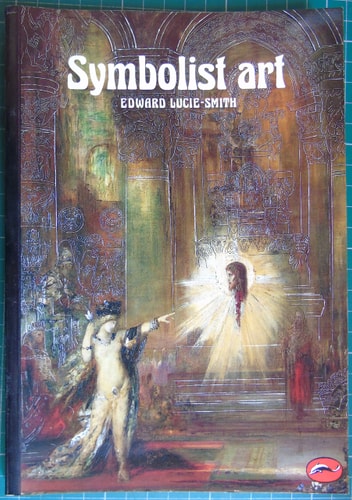
Though the Symbolist heyday in Paris was short-lived, the movement had an influence on painting in both duration and geographical range. Important Symbolist painters were at work in places as remote from one another as Munch in Oslo, Klimt in Vienna, and the young Picasso in Barcelona. It is through Symbolism, too, that the relationship between the English painting of the later nineteenth century and what was taking place in Europe can be explained. Edward Lucie-Smith's important study throws light upon the origins of Modernism, and upon the development of painting and sculpture in the final years of the century. 185 illus., 24 in color.
Menrva's Summary
THE THESIS
This text investigates the origins of Modernism by examining the geographical reach and enduring influence of the late nineteenth-century Symbolist art movement. Edward Lucie-Smith, a noted art historian and critic, utilizes a comprehensive survey of painters and sculptors to argue that Symbolism served as a critical bridge between nineteenth-century traditions and the emergence of modern artistic practices. By analyzing works from diverse European centers, the author provides a framework for understanding how localized aesthetic movements coalesced into a broader continental shift.
THE SCOPE MAP
What You Will Find
- Analysis of Symbolist influence in major European hubs including Oslo, Vienna, and Barcelona.
- Comparative study of the relationship between English painting and continental European developments.
- Examination of both painting and sculpture during the final years of the nineteenth century.
- A curated collection of 185 illustrations, including 24 in color, to support the historical narrative.
THE AUTHORITY PERSPECTIVE
Experts recognize this work as a foundational survey for those seeking to understand the transition into Modernism. Readers frequently note the accessibility of the prose, which balances academic rigor with a clear, chronological overview of the movement's key figures.
Page Count:
0
Publication Date:
1985-01-01
Publisher:
Thames & Hudson
ISBN-10:
0195199472
ISBN-13:
9780195199475
Art History
European Art
Modernism
Sculpture
Symbolism
Painting