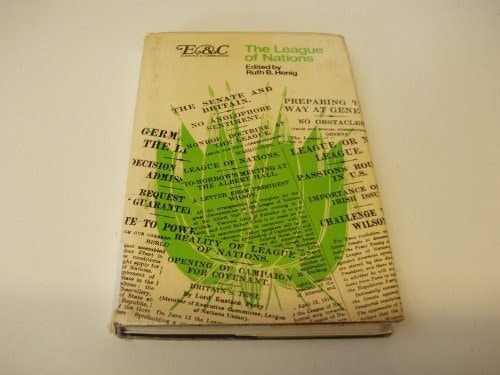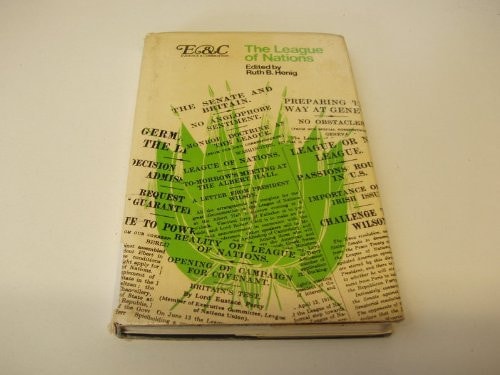
The League of Nations
0
0
As an Amazon Associate and affiliate partner, Menrva Books earns from qualifying purchases. Learn more
Author Description
Ninety years ago the League of Nations convened for the first time, hoping to settle disputes by diplomacy, not war. Failure to prevent World War II led to its dissolution and the subsequent creation of the United Nations. Can the United Nations’ fate be ascertained by reading the history of its predecessor?
Menrva's Summary
THE THESIS
This text investigates the historical efficacy and ultimate collapse of the League of Nations to determine if its failure provides a predictive framework for the modern United Nations. Ruth B. Henig, a recognized historian of international relations, utilizes primary archival records and diplomatic correspondence to analyze the structural weaknesses of the League. The work argues that the organization's inability to enforce collective security measures against aggressive sovereign states serves as a critical case study for contemporary global governance. By examining the political climate of the interwar period, the author provides a rigorous assessment of how institutional design influences international stability.
THE SCOPE MAP
What You Will Find
- A detailed chronological account of the League's formation following World War I
- Analysis of the Covenant of the League of Nations and its legal limitations
- Case studies of major diplomatic crises during the 1920s and 1930s
- Comparative evaluation of the League's administrative structure versus the United Nations
Scope Limits
- The text does not provide a comprehensive history of the United Nations itself
- It excludes detailed military tactical analysis of World War II battles
THE AUTHORITY PERSPECTIVE
Experts frequently cite this work as a concise and reliable introduction to the institutional history of the League of Nations. Readers often note the academic clarity of the prose, which makes complex diplomatic history accessible to both students and general researchers.
Page Count:
220
Publication Date:
1973-01-01
Publisher:
Oliver and Boyd
ISBN-10:
0050025899
ISBN-13:
9780050025895
History
International relations
Diplomacy
20th Century
Community Tags
Similar Books