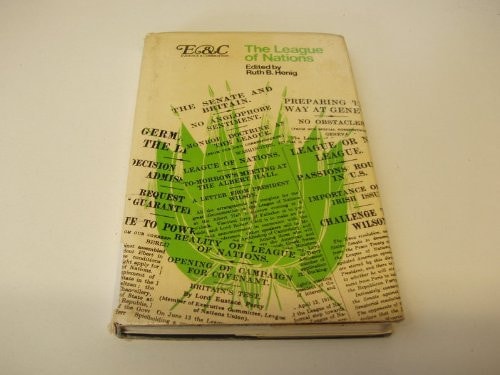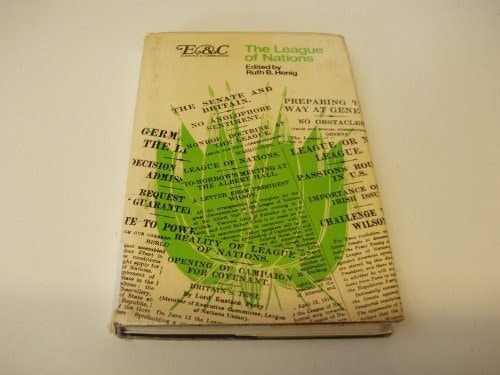
The League of Nations, (Evidence and commentary)
0
0
As an Amazon Associate and affiliate partner, Menrva Books earns from qualifying purchases. Learn more
Author Description
90 years ago the League of Nations convened for the first time hoping to settle disputes by diplomacy not war. Failure to prevent World War II led to its dissolution and the subsequent creation of the UN. Can the UN's fate be ascertained by reading the history of its predecessor?
Menrva's Summary
THE THESIS
This work investigates whether the historical trajectory and eventual failure of the League of Nations can serve as a predictive model for the stability and longevity of the United Nations. Ruth B. Henig, a recognized historian specializing in international relations and the interwar period, utilizes primary source documents and diplomatic records to analyze the structural weaknesses of the League. The text presents a framework for understanding how collective security mechanisms functioned—or failed to function—during the early 20th century. By contrasting the League's mandate with its practical outcomes, the author provides a critical assessment of the institutional challenges inherent in global governance.
THE SCOPE MAP
What You Will Find
- Analysis of the League of Nations' founding documents and diplomatic protocols
- Examination of the geopolitical climate following World War I
- Case studies on the League's attempts to mediate international disputes
- Commentary on the transition from the League to the United Nations
Scope Limits
- Does not provide a comprehensive history of the United Nations itself
- Focuses primarily on the interwar period rather than post-1945 developments
THE AUTHORITY PERSPECTIVE
Historians and students of international relations frequently cite this text as a concise and accessible primer on the mechanics of the League of Nations. Experts highlight the author's ability to synthesize complex diplomatic history into a clear, analytical format suitable for academic study.
Page Count:
203
Publication Date:
1973-01-01
Publisher:
Oliver and Boyd
ISBN-10:
0050025929
ISBN-13:
9780050025925
History
Diplomacy
International relations
20th Century
Community Tags
Similar Books