Mahabalipuram
0
0
As an Amazon Associate and affiliate partner, Menrva Books earns from qualifying purchases. Learn more
Author Description
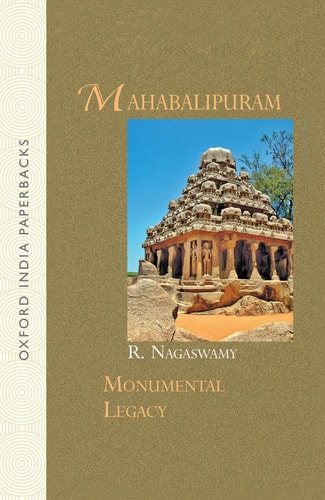
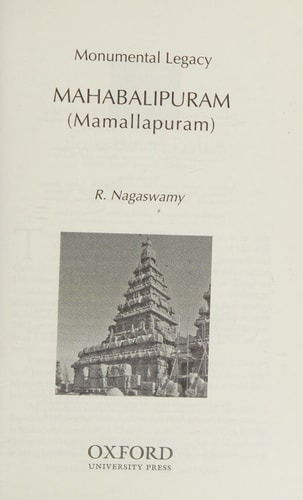
MAHABALIPURAM became a world heritage site in 1984. This group of monuments (mostly sanctuaries), founded by the Pallava kings, is carved out of rock along the Coromandel coast in the 7th and 8th centuries. It is known especially for its rathas (temples in the form of chariots), mandapas (cave sanctuaries), giant open-air reliefs such as the famos "Descent of the Ganges," and the temple of Rivage, with thousands of sculptures to the glory of Shiva.
Menrva's Summary
THE THESIS
This work investigates the historical and architectural significance of the Mahabalipuram monument complex as a testament to the artistic legacy of the Pallava dynasty. R. Nagaswamy, a distinguished archaeologist and historian, utilizes his extensive expertise in South Indian epigraphy and art to analyze the structural evolution of these 7th and 8th-century rock-cut sanctuaries. The text provides a comprehensive framework for understanding how these monuments reflect the religious and political climate of the Coromandel coast during the Pallava period.
THE SCOPE MAP
What You Will Find
- Detailed analysis of 7th and 8th-century rock-cut architecture including rathas and mandapas.
- Historical context regarding the Pallava kings and their patronage of religious art.
- Examination of iconic reliefs such as the Descent of the Ganges.
- Documentation of the iconographic significance of sculptures dedicated to Shiva.
THE AUTHORITY PERSPECTIVE
Experts recognize this text as a foundational resource for those seeking a scholarly overview of Pallava-era stone carving techniques. Readers frequently note the clarity with which the author connects complex architectural details to the broader cultural history of the region.
Page Count:
136
Publication Date:
2008-01-01
Publisher:
Oxford University Press
ISBN-10:
0195693736
ISBN-13:
9780195693737
History
Architecture
Archaeology
Monuments_india
Art History
India