The Exorcist Effect: Horror, Religion, and Demonic Belief
0
0
As an Amazon Associate and affiliate partner, Menrva Books earns from qualifying purchases. Learn more
Author Description
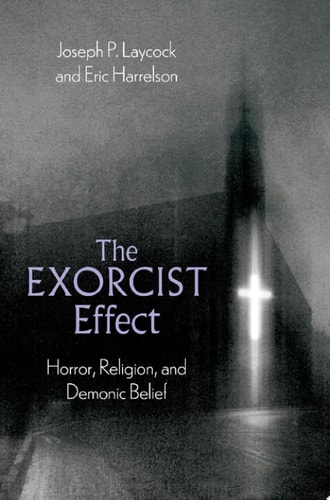
The Exorcist Effect is a fascinating historical study of the ongoing relationship between horror movies and Western religious culture, with a focus on the period from 1968 to the modern day. Taking its name from the 1973 film The Exorcist, which was widely understood to be based on a true story, this book outlines a cycle in which religious beliefs and practices become the basis of films that in turn inspire religious beliefs, practices, and experiences in response. Authors Joseph P. Laycock and Eric Harrelson draw heavily from archival research to shed new light on the details of this phenomenon, in addition to incorporating interviews with horror authors, film writers, and paranormal investigators.Drawing on psychology, sociology, and folklore studies, Laycock and Harrelson theorize how film informs religious experience and shapes religious culture. The Exorcist Effect examines the production and reception of Rosemary's Baby (1968), The Exorcist (1973), and The Omen (1976) as seminal films in the genre; figures as Malachi Martin as well as Ed and Lorraine Warren, who inserted themselves directly into the spotlight, and the horror films that influenced and were inspired by their careers; and areas of culture where the influence of this cycle was most apparent-the Satanic Panic, religious exorcisms, and moral panic over heavy metal and the messages it was purported to spread. The final chapter considers the QAnon conspiracy theory and its numerous allusions to film as a contemporary manifestation of “The Exorcist effect.”Ultimately, The Exorcist Effect is a deftly researched and compelling volume that is sure to interest horror buffs, religious scholars, and historians alike.
Menrva's Summary
THE THESIS
This book investigates the cyclical relationship between horror cinema and Western religious culture, specifically how films influence religious belief and vice versa. Authors Joseph P. Laycock and Eric Harrelson utilize their backgrounds in religious studies and folklore to analyze the period from 1968 to the present. By examining archival research, interviews, and sociological data, they argue that horror films do not merely reflect cultural anxieties but actively shape contemporary religious practices and moral panics.
THE SCOPE MAP
What You Will Find
- Historical analysis of seminal horror films including Rosemary's Baby, The Exorcist, and The Omen.
- Examination of the intersection between pop culture figures like the Warrens and real-world religious phenomena.
- Case studies on the Satanic Panic and moral panics surrounding heavy metal music.
- Theoretical framework connecting modern conspiracy theories like QAnon to cinematic tropes.
THE AUTHORITY PERSPECTIVE
Scholars and critics recognize this work as a rigorous contribution to the study of religion and popular culture. Readers frequently note the academic depth of the research, making it a valuable resource for those interested in the sociological impact of horror media.
Page Count:
312
Publication Date:
2023-01-01
Publisher:
Oxford University Press
ISBN-10:
0197635393
ISBN-13:
9780197635391
Religion
Horror
History
Sociology
Film Studies
Community Tags
Similar Books