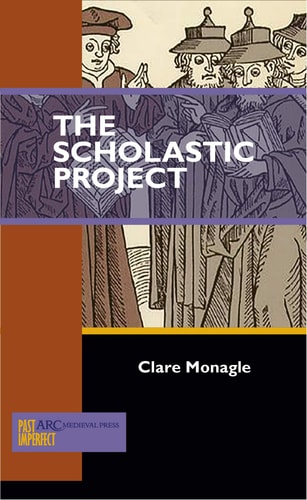
The Scholastic Project
0
0
As an Amazon Associate and affiliate partner, Menrva Books earns from qualifying purchases. Learn more
Author Description
This is a somewhat polemical, and very passionate, plea for more work that tells us not only about the house that scholasticism built, but those who were excluded from it. Clare Monagle argues that we need to think of scholasticism as a coherent project if we are to come to terms with the constitutive work performed by this theology in the history of Western thought. Much changed between the Middle Ages and the time of enlightenment. What did not change, however, was that the reasonable white man was the thinking subject who was allowed access to the life of the mind, and defined what it was to be reasonable. This book is the story of how scholastic theology defined this universal subject, and a catalogue of the exclusions which ensued. These exclusions still obtain today. The categories of woman, Jew and heretic were core others against which ideal Christian subjectivity was implicitly defined. Theologians used these categories as sites of investigation, how did they tell us about God's presence in the world? What epistemological and ontological purpose did these 'others' serve? The Scholastic Project offers an account of this intellectual work done by categories of difference in medieval theology. In so doing, it shows just how constitutive the woman, the heretic and the Jew were for the production of orthodoxy in the Middle Ages.
Menrva's Summary
THE THESIS
This book argues that scholastic theology was a coherent project that defined the 'reasonable white man' as the universal subject of thought, while simultaneously establishing categories of exclusion that persist today. Clare Monagle, drawing on extensive theological and historical analysis, contends that understanding scholasticism as a unified endeavor is crucial for grasping its foundational role in Western thought. The work meticulously examines how categories such as 'woman,' 'Jew,' and 'heretic' were not merely peripheral but were actively constructed and utilized within medieval theology to define orthodoxy and serve epistemological and ontological purposes. By investigating the intellectual work performed by these 'other' categories, the book reveals their constitutive role in the production of medieval thought and its enduring legacy.
THE SCOPE MAP
- Analysis of scholastic theology as a coherent intellectual project.
- Examination of the historical construction of the 'reasonable white man' as the subject of thought.
- Detailed exploration of the categories of 'woman,' 'Jew,' and 'heretic' as sites of exclusion and definition.
- Investigation into the epistemological and ontological functions of these 'other' categories within medieval theology.
- Demonstration of how these exclusions, established in the Middle Ages, continue to influence contemporary thought.
- Focus on the constitutive role of difference in the production of medieval orthodoxy.
- Discussion of the historical shifts from the Middle Ages to the Enlightenment and what remained constant in defining intellectual subjects.
THE AUTHORITY PERSPECTIVE
This book is presented as a passionate and polemical argument for a more inclusive understanding of scholasticism's historical impact. It aims to reframe scholastic theology not just as a body of work, but as a project that actively shaped Western thought through both inclusion and exclusion. The analysis focuses on how theological categories were used to define normative subjectivity and how this intellectual work continues to resonate in contemporary discourse.
Page Count:
91
Publication Date:
2017-01-01
Publisher:
Arc Humanities Press
ISBN-10:
1942401078
ISBN-13:
9781942401070
Philosophy
Non-Fiction
History
Gender Studies
Theology
Community Tags
Similar Books