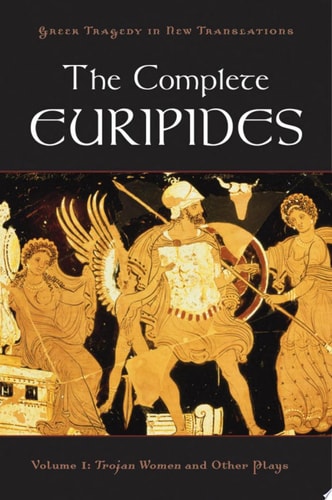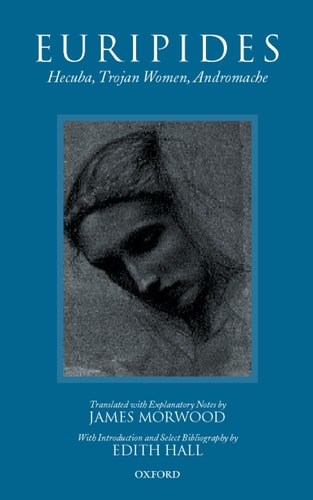
Hecuba, Trojan Women, and Andromache
0
0
As an Amazon Associate and affiliate partner, Menrva Books earns from qualifying purchases. Learn more
Author Description
This is the final in a series of three volumes of a new prose translation of Euripides' most popular plays. In the three great war plays contained in this volume Euripides subjects the sufferings of Troy's survivors to a harrowing examination. The horrific brutality which both women and children undergo evokes a response of unparalleled intensity in the playwright whom Aristotle called the most tragic of the poets. Yet the new battle-ground of the aftermath of war is one in which the women of Troy evince an overwhelming greatness of spirit. We weep for the aged Hecuba in her name play and in the Trojan Women, yet we respond with an at times appalled admiration to her resilience amid unrelieved suffering. And in her name play Andromache, the slave-concubine of her husband's killer, endures her existence in the victor's country with a Stoic nobility. Of their time yet timeless, these plays insist on the victory of the female spirit amid the horrors visited on them by the gods and men during war.
Menrva's Summary
THE PULSE
The aftermath of the Trojan War forces the surviving women of Troy to confront the absolute destruction of their families and their city at the hands of their Greek captors. These plays follow the protagonists Hecuba and Andromache as they navigate the physical and psychological ruins of their lives. The narrative framework utilizes the conventions of Greek tragedy, employing choral odes and intense dialogue to externalize the internal suffering of the characters. The protagonists must contend with the arbitrary cruelty of gods and the systematic brutality of their victors while maintaining their dignity in a world that has stripped them of all status and protection.
INSIDE THE PAGES
- Exploration of the psychological toll of total war on non-combatants
- Use of the Greek chorus to provide social and moral commentary
- Examination of the intersection between divine will and human suffering
- Portrayal of the resilience of the female spirit under extreme duress
- Focus on the loss of dynastic power and personal identity
- Integration of mythic history with contemporary political critique
- Stylistic emphasis on high-stakes rhetorical debate and lamentation
- Structural focus on the immediate consequences of military defeat
THE COLLECTIVE ECHO
Discussion often centers on the stark, unflinching portrayal of war's aftermath in these three plays. Readers frequently highlight the shift in focus from the battlefield to the domestic and personal spheres, where the true cost of conflict is measured. Critics often note the effectiveness of Euripides in humanizing figures who are traditionally relegated to the background of epic narratives. The balance between the characters' profound grief and their displays of nobility generates significant debate regarding the playwright's intent. These works remain central to the study of classical literature due to their enduring relevance in discussions of power, gender, and the ethics of warfare.
Page Count:
232
Publication Date:
2001-04-19
Publisher:
Oxford University Press
ISBN-10:
0198150938
ISBN-13:
9780198150930
Drama
Classical
Greek Tragedy
War
Plays
Trojan War
Troy Extinct City
Community Tags
Similar Books