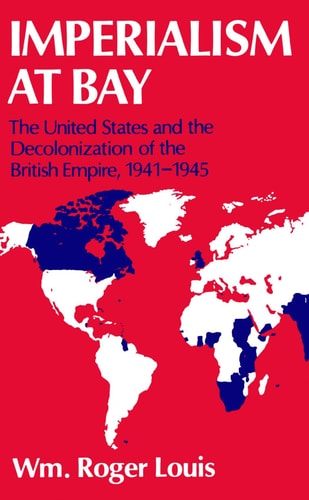
Imperialism at Bay: The United States and the Decolonization of the British Empire, 1941-1945
0
0
As an Amazon Associate and affiliate partner, Menrva Books earns from qualifying purchases. Learn more
Author Description
This book examines the wartime controversies between Britain and America about the future of the colonial world, and considers the ethical, military, and economic forces behind imperialism during World War II. It concludes that, for Britain, there was a revival of the sense of colonial mission; the Americans, on the other hand, felt justified in creating a strategic fortress in the Pacific Islands while carrying the torch of "international trusteeship" throughout the rest of the world--a scheme that Churchill and others viewed as a cloak for American expansion.
Menrva's Summary
THE THESIS
This work investigates the complex geopolitical friction between the United States and Great Britain regarding the future of colonial territories during the Second World War. William Roger Louis, a prominent historian of the British Empire, utilizes extensive archival research and diplomatic records to analyze the conflicting motivations of the two powers. He argues that while the U.S. promoted international trusteeship as a moral imperative, British leadership perceived these efforts as a strategic maneuver to facilitate American global expansionism.
THE SCOPE MAP
What You Will Find
- Analysis of Anglo-American diplomatic relations from 1941 to 1945.
- Examination of the economic and military pressures influencing colonial policy.
- Primary source evidence from wartime correspondence and government records.
- A detailed study of the ideological clash between British imperial mission and American strategic interests.
THE AUTHORITY PERSPECTIVE
Historians and scholars of international relations frequently cite this text as a definitive account of the diplomatic tensions surrounding the decline of the British Empire. The book is recognized for its rigorous archival depth and its balanced portrayal of the competing national interests that shaped the post-war world order.
Page Count:
595
Publication Date:
1987-01-01
Publisher:
Oxford University Press
ISBN-10:
0198229720
ISBN-13:
9780198229728
History
Great Britain
Colonialism
Imperialism
International relations
Community Tags
Similar Books