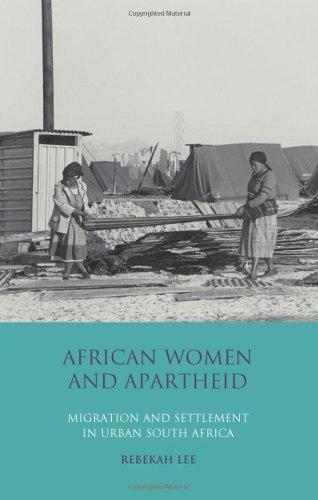
African Women and Apartheid
0
0
As an Amazon Associate and affiliate partner, Menrva Books earns from qualifying purchases. Learn more
Author Description
In this compelling study, Rebekah Lee explores the process and consequences of settlement through the everyday lives and testimonies of three generations of African women in Cape Town during the apartheid (1948-94) and post-apartheid periods. How did African women experience apartheid? How did they create a sense of belonging in a city that actively denied and resisted their presence? Through detailed analyses of women's management of domestic economies, their participation in township social organizations, their home renovation priorities and patterns of energy use, this study evokes a larger history of gendered and generational struggles over identity, place and belonging. It provides a deeper and more nuanced understanding of African women in apartheid and post-apartheid society, and of urbanization in South Africa. Drawing together scholarship and new methodologies from anthropology, history, human geography and development studies, "African Women and Apartheid" will be valuable to anyone with interests in South Africa, gender, urbanization, the African family, oral history and memory.--Bloomsbury publishing.
Menrva's Summary
THE THESIS
This study investigates how African women navigated and resisted the oppressive structures of apartheid in Cape Town. Rebekah Lee examines the lived experiences and testimonies of three generations of women, focusing on their management of domestic economies, involvement in social organizations, and decisions regarding home renovation and energy use. The book explores how these everyday actions contributed to struggles over identity, place, and belonging in a city that sought to marginalize them. By integrating scholarship from multiple disciplines, Lee offers a nuanced understanding of gendered and generational dynamics within urbanization in South Africa.
THE SCOPE MAP
- What You Will Find:
- Detailed analysis of the experiences of three generations of African women in Cape Town.
- Examination of domestic economies, township social organizations, and home renovation priorities.
- Exploration of patterns of energy use as a lens into women's lives.
- Insights into gendered and generational struggles over identity, place, and belonging.
- Integration of scholarship from anthropology, history, human geography, and development studies.
- Use of oral history and memory as primary methodologies.
THE AUTHORITY PERSPECTIVE
The book is positioned as a valuable resource for understanding the complexities of apartheid and post-apartheid South Africa, particularly concerning gender and urbanization. Its interdisciplinary approach, drawing from fields such as anthropology and history, suggests a comprehensive and rigorous academic treatment of the subject. The focus on everyday lives and testimonies indicates a methodology that prioritizes lived experience to illuminate broader societal trends. The work is likely to appeal to scholars and students interested in South African history, gender studies, and the dynamics of urban settlement.
Page Count:
304
Publication Date:
2009-01-01
ISBN-10:
1845118197
ISBN-13:
9781845118198
Art
History
Non-Fiction
Gender Studies
Urban Studies
Oral History
Social History
Community Tags
Similar Books