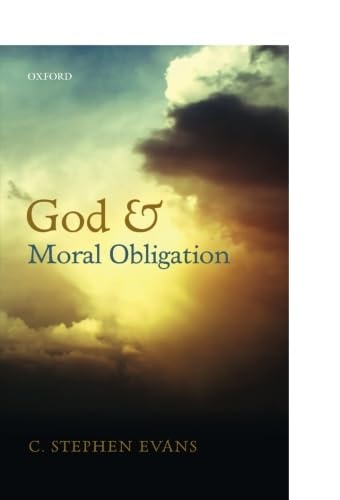
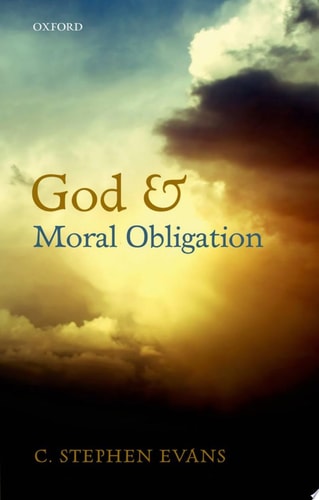
God and Moral Obligation
0
0
As an Amazon Associate and affiliate partner, Menrva Books earns from qualifying purchases. Learn more
Author Description
Is there a connection between religion and morality? Ivan Karamazov, in Dostoevsky's The Brothers Karamazov, famously declares that if God does not exist, then "everything is permitted." Most philosophers reject such a view and hold that moral truths do not depend on God. C.Stephen Evans argues that the truth lies somewhere between these two claims. It is not quite right to say that there would be nothing left of morality if God did not exist, but moral obligations do depend on God ontologically. Such obligations are best understood as God's commands or requirements, communicated to humans in a variety of ways, including conscience.In God and Moral Obligation, Evans also argues that two views often thought to be rivals to a divine command morality, natural law ethics and virtue ethics, are not rivals at all but provide necessary complementary elements of a comprehensive morality. A number of objections to a divine command account of moral obligations are posed and answered. In the concluding chapters Evans points out the advantages such an account has over secular rivals. The authority and objectivity of moral obligations are best explained by seeing them as divine commands.
Menrva's Summary
THE THESIS
This book investigates whether moral obligations are ontologically dependent on the existence of God. C. Stephen Evans, a prominent philosopher of religion, evaluates the relationship between divine command theory and secular ethical frameworks. He argues that while morality might persist in some form without God, the specific nature of moral obligation is best explained as a requirement issued by a divine authority. The text synthesizes historical philosophical debates with contemporary ethical analysis to support this position.
THE SCOPE MAP
What You Will Find
- An analysis of the ontological dependence of moral obligations on divine commands.
- A reconciliation of divine command theory with natural law and virtue ethics.
- Rebuttals to common philosophical objections against theistic morality.
- A comparative study of the authority and objectivity of moral systems.
THE AUTHORITY PERSPECTIVE
Scholars and students of philosophy frequently identify this work as a significant contribution to the contemporary discourse on divine command theory. The text is noted for its rigorous engagement with both historical and modern ethical arguments, making it a standard reference for those exploring the intersection of theology and moral philosophy.
Page Count:
199
Publication Date:
2014-07-23
Publisher:
Oxford University Press
ISBN-10:
0198715374
ISBN-13:
9780198715375
Philosophy
Religion
Theology
Moral Philosophy
Ethics
Community Tags
Other Editions(3)

Similar Books