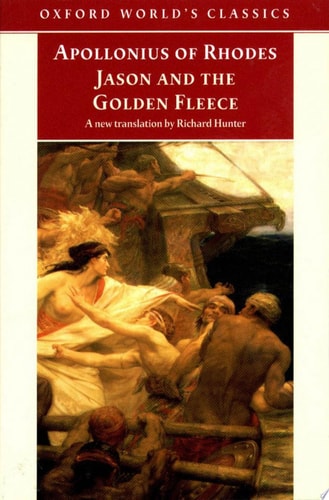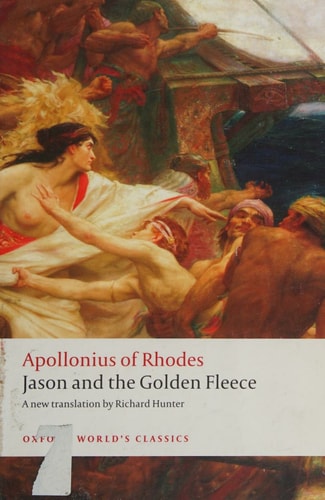
Jason and the Golden Fleece: The Argonautica
0
0
As an Amazon Associate and affiliate partner, Menrva Books earns from qualifying purchases. Learn more
Author Description
The Argonautica is the dramatic story of Jason's quest for the Golden Fleece and his relations with the dangerous princess Medea. The only surviving Greek epic to bridge the gap between Homer and late antiquity, this epic poem is the crowning literary achievement of the Ptolemaic court at Alexandria, written by Appolonius of Rhodes in the third century BC. Appollonius explores many of the fundamental aspects of life in a highly original way: love, deceit, heroism, human ignorance of the divine, and the limits of science, and offers a gripping and sometimes disturbing tale in the process. This major new prose translation combines readability with accuracy and an attention to detail that will appeal to general readers and classicists alike.
Menrva's Summary
THE PULSE
Jason leads a band of heroes on a perilous maritime expedition to retrieve the Golden Fleece from the distant land of Colchis. Driven by the mandate of King Pelias, Jason must navigate the treacherous waters of the Euxine Sea while contending with divine interference and the unpredictable nature of the gods. The narrative follows the Argonauts as they face monstrous obstacles and internal strife, culminating in a complex psychological entanglement with the sorceress Medea. Written in the third century BC, the poem utilizes a structured epic framework to examine the intersection of human ambition and mythological fate.
INSIDE THE PAGES
- Detailed accounts of the construction and maiden voyage of the Argo
- Exploration of the psychological development of Medea as a central figure
- Integration of Hellenistic scholarly interests and geographical lore
- Portrayal of heroes as vulnerable individuals rather than invincible icons
- Frequent intervention of Olympian deities in human affairs
- Vivid descriptions of exotic landscapes and mythical encounters
- Use of traditional epic meter and stylistic conventions adapted for the Ptolemaic era
- Focus on the internal conflict of characters facing impossible moral choices
THE COLLECTIVE ECHO
Readers and scholars frequently highlight the work as a vital bridge between the Homeric tradition and the later Roman epics. Discussion often centers on the nuanced portrayal of Medea, whose internal struggle and eventual transformation provide a stark contrast to the more traditional heroism of Jason. Critics emphasize the poem's unique blend of erudite scholarship and emotional depth, which distinguishes it from earlier Greek epics. Many readers appreciate the text for its focus on the human condition and the limitations of mortal agency when confronted with divine power. The work remains a subject of intense study for its influence on Virgil and the development of the romantic epic genre.
Page Count:
175
Publication Date:
2009-04-15
Publisher:
Oxford University Press
ISBN-10:
0199538727
ISBN-13:
9780199538720
Adventure
Mythology
Ancient Greek
classic
Greek poetry
Epic Poetry