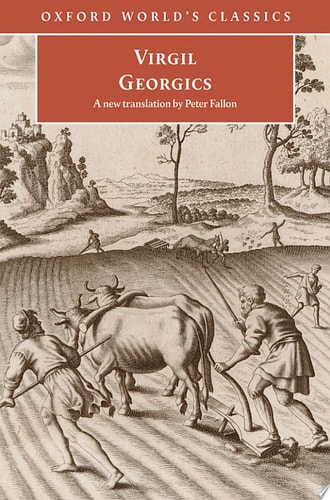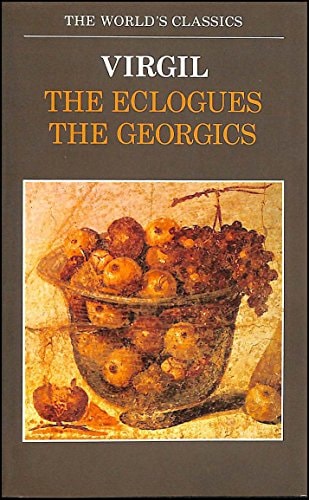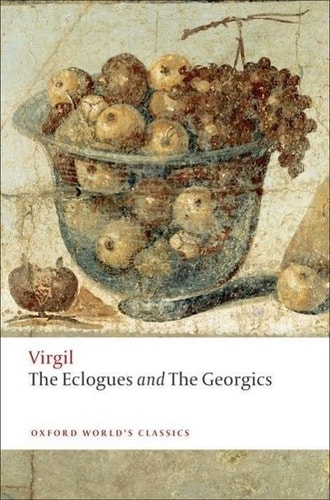
The Eclogues; And, Georgics
0
0
As an Amazon Associate and affiliate partner, Menrva Books earns from qualifying purchases. Learn more
Author Description
The Eclogues, ten short pastoral poems, were composed between approximately 42 and 39 BC, during the time of the 'Second' Triumvirate of Lepidus, Anthony, and Octavian. In them Virgil subtly blended an idealized Arcadia with contemporary history. To his Greek model - the Idylls of Theocritus - he added a strong element of Italian realism: places and people, real or disguised, and contemporary events are introduced. The Eclogues display all Virgil's art and charm and are among his most delightful achievements. Between approximately 39 and 29 BC, years of civil strife between Antony, and Octavian, Virgil was engaged upon the Georgics. Part agricultural manual, full of observations of animals and nature, they deal with the farmer's life and give it powerful allegorical meaning. These four books contain some of Virgil's finest descriptive writing and are generally held to be his greatest and most entertaining work, and C. Day Lewis's lyrical translations are classics in their own right.
Menrva's Summary
THE PULSE
Virgil explores the intersection of idealized pastoral life and the harsh realities of political upheaval in ancient Rome. Through these two distinct collections, the poet navigates the tension between the tranquility of the countryside and the encroaching chaos of civil war. The Eclogues utilize a series of dialogues to contrast mythological landscapes with contemporary historical figures, while the Georgics employ a didactic framework to elevate the labor of farming into a profound meditation on human existence and the natural order. The narrative voice shifts from the lyrical, intimate observations of shepherds to the authoritative, instructional tone of a seasoned observer of the land.
INSIDE THE PAGES
- Utilization of the pastoral tradition established by Theocritus.
- Integration of contemporary Roman political figures into mythological settings.
- Detailed observations of agricultural practices and rural life.
- Allegorical treatment of nature as a reflection of human struggle.
- Lyrical verse structure emphasizing rhythm and sensory imagery.
- Exploration of the dichotomy between peace and civil strife.
- Use of dialogue to advance thematic arguments.
- Focus on the relationship between the farmer and the divine order.
THE COLLECTIVE ECHO
Readers and critics frequently highlight the technical precision and evocative language present in these translations. Discussion often centers on the balance Virgil maintains between practical agricultural advice and the deeper philosophical implications of the human condition. Scholars note that the shift from the idyllic tone of the Eclogues to the more grounded, didactic nature of the Georgics demonstrates the poet's evolving mastery of his craft. The work is widely regarded as a foundational pillar of Western literature, with many readers appreciating the way the text bridges the gap between ancient history and timeless human concerns.
Page Count:
192
Publication Date:
2009-06-01
Publisher:
Oxford University Press, USA
ISBN-10:
0199554099
ISBN-13:
9780199554096
Classics
Poetry
English poetry
Virgil
Pastoral
Agriculture
Ancient
Community Tags
Similar Books