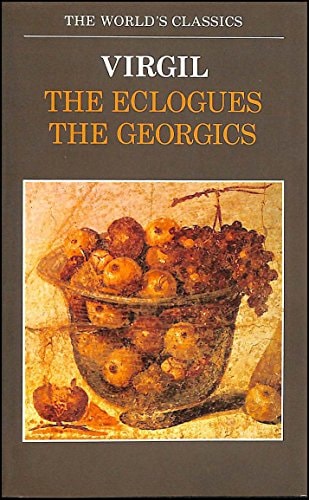
The Eclogues and Georgics
0
0
As an Amazon Associate and affiliate partner, Menrva Books earns from qualifying purchases. Learn more
Author Description
Text: English, Latin (translation)
Menrva's Summary
THE PULSE
Virgil explores the tension between the idealized tranquility of pastoral life and the harsh realities of agricultural labor and political upheaval. Through the Eclogues, the poet presents a series of bucolic dialogues that examine the intersection of human emotion and the natural world, often reflecting the instability of the Roman landscape. The Georgics shift the focus to the practicalities of farming, framing the cultivation of land as a rigorous discipline that demands both technical skill and divine favor. The narrative framework utilizes classical hexameter verse to bridge the gap between mythic symbolism and the physical demands of rural existence. These works function as a meditation on the human condition, contrasting the simplicity of the shepherd's song with the complex requirements of a society rooted in the soil.
INSIDE THE PAGES
- Use of the pastoral mode to critique contemporary political conditions
- Detailed technical instructions on viticulture and animal husbandry
- Integration of mythological figures into mundane agricultural settings
- Exploration of the relationship between human labor and the natural environment
- Stylistic precision in dactylic hexameter
- Thematic focus on the loss of land and the necessity of order
- Philosophical inquiries into the nature of fate and divine intervention
- Contrast between the otium of the countryside and the negotium of the state
THE COLLECTIVE ECHO
Readers and scholars frequently analyze these texts for their influence on the development of Western poetic traditions. Discussion often centers on the shift in tone between the lyrical, escapist nature of the Eclogues and the more didactic, structured approach found in the Georgics. Critics highlight the technical mastery Virgil displays in elevating agricultural tasks to a subject of high literary merit. The works are often examined for their underlying political subtext, which reflects the anxieties of a Roman society transitioning through civil war. Many readers find the balance between the practical advice and the philosophical reflections to be a defining characteristic of Virgil's enduring legacy.
Page Count:
180
Publication Date:
1983-01-01
Publisher:
Oxford Univ Pr
ISBN-10:
0192816438
ISBN-13:
9780192816436
Poetry
Latin
New Used & Rental Textbooks
Agriculture
Didactic Poetry
Classical
Pastoral Poetry