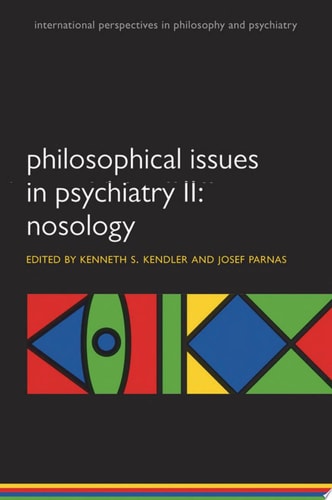
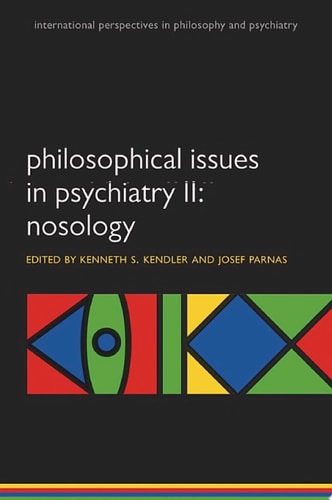
Philosophical Issues in Psychiatry II: Nosology
0
0
As an Amazon Associate and affiliate partner, Menrva Books earns from qualifying purchases. Learn more
Author Description
Psychiatric and psychological practice and research is critically dependent on diagnosis. Yet the nature of psychiatric diagnosis and the rules by which disorders should be created and organized have been highly controversial for over 100 years. Unlike simple medical disorders (like infectious diseases), psychiatric disorders cannot be traced to one simple etiologic agent.The last two generations have seen major conceptual shifts in the approach to diagnosis with the rise of operationalized criteria and an emphasis on a descriptive rather than etiological approach to diagnosis. The interest in psychiatric diagnoses is particularly heightened now because both of the major psychiatric classifications in the world - DSM and ICD - are now undergoing major revisions. What makes psychiatric nosology so interesting is that it sits at the intersection of philosophy, empirical psychiatric/psychological research, measurement theory, historical tradition and policy. This makes the field fertile for a conceptual analysis.This book brings together established experts in the wide range of disciplines that have an interest in psychiatric nosology. The contributors include philosophers, psychologists, psychiatrists, historians and representatives of the efforts of DSM-III, DSM-IV and DSM-V. Some of the questions addressed include i) what is the nature of psychiatric illness? Can it be clearly defined and if so how? ii) What is the impact of facts versus values in psychiatric classification? iii) How have concepts of psychiatric diagnosis changed over time? iv) How can we best conceptualize the central idea of diagnostic validity? And v) Can psychiatric classification be a cumulative enterprise seeking improvements at each iteration of the diagnostic manual? Each individual chapter is introduced by the editors and is followed by a commentary, resulting in a dynamic discussion about the nature of psychiatric disorders.This book will be valuable for psychiatrists, psychologists and other mental health trainees and professionals with an interest in the questions and problems of psychiatric diagnosis, as well as philosophers and philosophy students interested in the problems posed by psychiatry, particularly those working in the philosophy of science.
Menrva's Summary
THE THESIS
This volume investigates the fundamental conceptual, historical, and ethical challenges inherent in the classification of psychiatric disorders. Editors Josef Parnas and Kenneth S. Kendler assemble a multidisciplinary cohort of philosophers, clinicians, and historians to examine the validity of diagnostic frameworks. The text evaluates how psychiatric nosology functions at the intersection of empirical research, measurement theory, and evolving medical policy, particularly in the context of revisions to the DSM and ICD manuals.
THE SCOPE MAP
What You Will Find
- Historical analysis of the evolution of psychiatric diagnostic criteria over the last century.
- Philosophical inquiry into the nature of mental illness and the distinction between facts and values in clinical classification.
- Methodological critiques of operationalized diagnostic criteria and etiological approaches.
- Comparative perspectives from contributors involved in the development of DSM-III, DSM-IV, and DSM-V.
THE AUTHORITY PERSPECTIVE
Experts identify this work as a critical resource for understanding the theoretical underpinnings of modern psychiatric practice. Readers frequently note the academic density of the prose, which serves as a foundational text for professionals and scholars interested in the intersection of philosophy and clinical science.
Page Count:
360
Publication Date:
2012-05-23
Publisher:
Oxford University Press
ISBN-10:
0199642206
ISBN-13:
9780199642205
Philosophy
Science
Psychology
Psychiatry
Mental Illness
Medical Ethics
Community Tags
Other Editions(3)
Similar Books


Reader Comments
Share Your Thoughts
No comments yet. Be the first to share your thoughts!