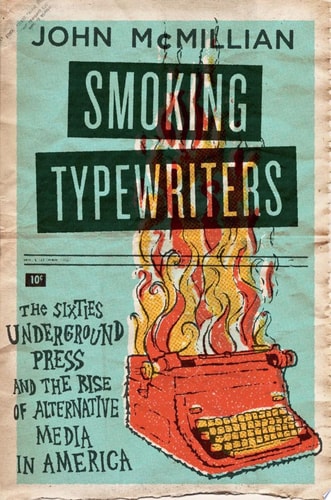
Smoking Typewriters
0
0
As an Amazon Associate and affiliate partner, Menrva Books earns from qualifying purchases. Learn more
Author Description
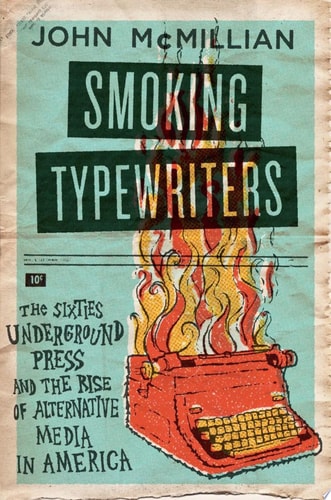
How Did The New Left Uprising Of The 1960s Happen? What Caused Millions Of Young People-many Of Them Affluent And College Educated-to Suddenly Decide That American Society Needed To Be Completely Overhauled? In Smoking Typewriters, Historian John Mcmillian Shows That One Answer To These Questions Can Be Found In The Emergence Of A Dynamic Underground Press In The 1960s. Following The Lead Of Papers Like The Los Angeles Free Press, The East Village Other, And The Berkeley Barb, Young People Across The Country Launched Hundreds Of Mimeographed Pamphlets And Flyers, Small Press Magazines, And Underground Newspapers. New, Cheaper Printing Technologies Democratized The Publishing Process And By The Decade's End The Combined Circulation Of Underground Papers Stretched Into The Millions. Though Not Technically Illegal, These Papers Were Often Genuinely Subversive, And Many Of Those Who Produced And Sold Them-on Street-corners, At Poetry Readings, Gallery Openings, And Coffeehouses-became Targets Of Harassment From Local And Federal Authorities. With Writers Who Actively Participated In The Events They Described, Underground Newspapers Captured The Zeitgeist Of The '60s, Speaking Directly To Their Readers, And Reflecting And Magnifying The Spirit Of Cultural And Political Protest. Mcmillian Pays Special Attention To The Ways Underground Newspapers Fostered A Sense Of Community And Played A Vital Role In Shaping The New Left's Highly Democratic Movement Culture. Deeply Researched And Eloquently Written, Smoking Typewriters Captures All The Youthful Idealism And Vibrant Tumult Of The 1960s As It Delivers A Brilliant Reappraisal Of The Origins And Development Of The New Left Rebellion.
Menrva's Summary
THE THESIS
How did the underground press of the 1960s catalyze the New Left movement and fundamentally alter the landscape of American political protest? Historian John McMillian examines the emergence of alternative media during this era, arguing that the democratization of printing technology allowed young activists to bypass mainstream gatekeepers. By analyzing the rise of publications like the Los Angeles Free Press and the Berkeley Barb, the author demonstrates how these papers functioned as both communication networks and ideological engines for a generation seeking to overhaul American society. The text utilizes a blend of historical analysis and primary source accounts to illustrate the symbiotic relationship between the counterculture and its print media.
THE SCOPE MAP
What You Will Find
- A detailed history of the 1960s underground press movement in the United States.
- Analysis of how technological shifts in printing democratized political discourse.
- Examination of the relationship between underground journalists and federal authorities.
- Exploration of how alternative media fostered community and movement culture within the New Left.
THE AUTHORITY PERSPECTIVE
Scholars and historians recognize this work as a definitive account of the media landscape during the 1960s counterculture. Readers frequently note the accessibility of the prose, which balances rigorous historical research with a compelling narrative of political activism.
Page Count:
304
Publication Date:
2011-01-01
Publisher:
Oxford University Press, Incorporated
ISBN-10:
0199717796
ISBN-13:
9780199717798
History
1960s
American History
Radicalism
Journalism
Community Tags
Similar Books