Energy Politics
0
0
As an Amazon Associate and affiliate partner, Menrva Books earns from qualifying purchases. Learn more
Author Description
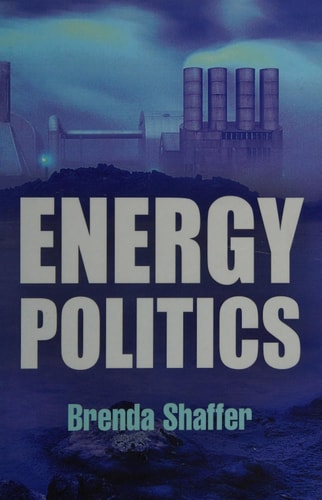
It is not uncommon to hear states and their leaders criticized for "mixing oil and politics." The U.S.-led Iraq War was criticized as a "war for oil." When energy exporters overtly use energy as a tool to promote their foreign policy goals, Europe and the United States regularly decry the use of energy as a "weapon" rather than accept it as a standard and legitimate tool of diplomacy. In Energy Politics, Brenda Shaffer argues that energy and politics are intrinsically linked. Modern life—from production of goods, to means of travel and entertainment, to methods of waging war—is heavily dependent on access to energy. A country's ability to acquire and use energy supplies crucially determines the state of its economy, its national security, and the quality and sustainability of its environment. Energy supply can serve as a basis for regional cooperation, but at the same time can serve as a source of conflict among energy seekers and between producers and consumers. Shaffer provides a broad introduction to the ways in which energy affects domestic and regional political developments and foreign policy. While previous scholarship has focused primarily on the politics surrounding oil, Shaffer broadens her scope to include the increasingly important role of natural gas and alternative energy sources as well as emerging concerns such as climate change, the global energy divide, and the coordinated international policy-making required to combat them. Energy Politics concludes with examinations of how politics and energy interact in six of the world's largest producers and consumers of energy: Russia, Europe, the United States, China, Iran, and Saudi Arabia.
Menrva's Summary
THE THESIS
The fundamental premise of Energy Politics is that energy and politics are inextricably intertwined, shaping economies, national security, and environmental sustainability. Brenda Shaffer argues that modern life's dependence on energy makes its acquisition and use a critical determinant of a state's well-being. While energy can foster cooperation, it also serves as a potent source of conflict between producers and consumers, and among nations seeking access. Shaffer's work provides a comprehensive overview of how energy influences domestic, regional, and foreign policy developments, moving beyond a sole focus on oil to encompass natural gas, alternative energy, and emerging issues like climate change.
THE SCOPE MAP
- Analysis of the intrinsic link between energy supply and political power.
- Inclusion of natural gas and alternative energy sources alongside oil.
- Discussion of emerging concerns such as climate change and the global energy divide.
- Examination of coordinated international policy-making for energy challenges.
- Case studies of energy politics in Russia, Europe, the United States, China, Iran, and Saudi Arabia.
THE AUTHORITY PERSPECTIVE
Brenda Shaffer's Energy Politics is recognized for its comprehensive approach to the complex relationship between energy resources and global political dynamics. The book is noted for broadening the scope beyond traditional oil politics to include the significance of natural gas and renewable energy sources, as well as contemporary issues like climate change. Its detailed examination of major energy producers and consumers offers valuable insights into the geopolitical implications of energy policy. The work is considered a significant contribution to understanding how energy security and international relations are mutually constitutive.
Page Count:
200
Publication Date:
2011-06-03
Publisher:
University of Pennsylvania Press
ISBN-10:
0812204522
ISBN-13:
9780812204520
Non-Fiction
Politics
Economics
Natural Gas
Geopolitics
Climate Change
Energy policy
International relations
Community Tags
Other Editions(2)
Similar Books