Sins Against Nature
0
0
As an Amazon Associate and affiliate partner, Menrva Books earns from qualifying purchases. Learn more
Author Description
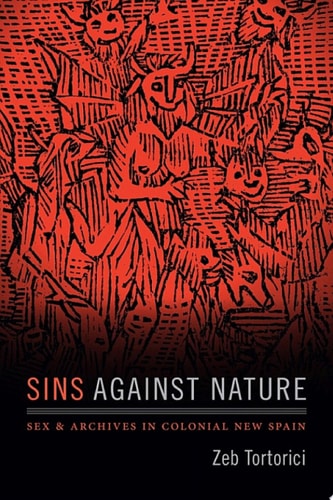
In Sins against Nature Zeb Tortorici explores the prosecution of sex acts in colonial New Spain (present-day Mexico, Guatemala, the US Southwest, and the Philippines) to examine the multiple ways bodies and desires come to be textually recorded and archived. Drawing on the records from over three hundred criminal and Inquisition cases between 1530 and 1821, Tortorici shows how the secular and ecclesiastical courts deployed the term contra natura—against nature—to try those accused of sodomy, bestiality, masturbation, erotic religious visions, priestly solicitation of sex during confession, and other forms of "unnatural" sex. Archival traces of the visceral reactions of witnesses, the accused, colonial authorities, notaries, translators, and others in these records demonstrate the primacy of affect and its importance to the Spanish documentation and regulation of these sins against nature. In foregrounding the logic that dictated which crimes were recorded and how they are mediated through the colonial archive, Tortorici recasts Iberian Atlantic history through the prism of the unnatural while showing how archives destabilize the bodies, desires, and social categories on which the history of sexuality is based.
Menrva's Summary
THE THESIS
This book investigates how sex acts were prosecuted in colonial New Spain to understand the textual recording and archiving of bodies and desires. Drawing on over three hundred criminal and Inquisition cases from 1530 to 1821, Zeb Tortorici demonstrates how courts used the term 'contra natura' to try individuals accused of various 'unnatural' sexual acts. The records reveal the significant role of affect and visceral reactions in the Spanish documentation and regulation of these offenses. By foregrounding the logic behind crime recording and its mediation through the colonial archive, Tortorici reframes Iberian Atlantic history through the lens of the unnatural and highlights how archives can destabilize the very categories used to construct the history of sexuality.
THE SCOPE MAP
- Prosecution of sex acts in colonial New Spain (Mexico, Guatemala, US Southwest, Philippines) between 1530 and 1821.
- Analysis of over 300 criminal and Inquisition cases.
- Examination of the term 'contra natura' (against nature) as used by secular and ecclesiastical courts.
- Exploration of sodomy, bestiality, masturbation, erotic religious visions, and solicitation during confession as 'unnatural' sex acts.
- Use of archival traces of visceral reactions from witnesses, the accused, and colonial authorities.
- Demonstration of the primacy of affect in Spanish documentation and regulation of sexual sins.
- Recasting of Iberian Atlantic history through the prism of the unnatural.
- Analysis of how colonial archives destabilize bodies, desires, and social categories in the history of sexuality.
THE AUTHORITY PERSPECTIVE
This scholarly work is recognized for its deep engagement with archival materials to reconstruct the history of sexuality in colonial New Spain. It is noted for its innovative approach in using the concept of 'unnaturalness' to re-examine historical narratives and the role of affect in legal and social documentation. The book offers a critical perspective on how colonial archives shape our understanding of bodies, desires, and social categories.
Page Count:
344
Publication Date:
2018-06-07
Publisher:
Duke University Press
ISBN-10:
0822371626
ISBN-13:
9780822371625
Crime
Non-Fiction
Drama
History
Sexuality Studies
Social History
Colonialism
Community Tags
Similar Books