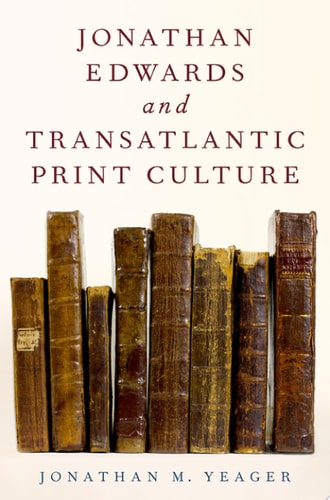
Jonathan Edwards and Transatlantic Print Culture
0
0
As an Amazon Associate and affiliate partner, Menrva Books earns from qualifying purchases. Learn more
Author Description
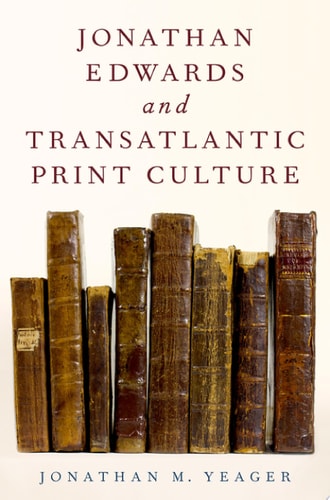
On March 20, 1760, a fire broke out in the Cornhill district of Boston, destroying nearly 350 buildings in its wake. One of the ruined shops belonged to the eminent Boston bookseller Daniel Henchman, who had published some of Jonathan Edwards's most important works, including The Life of Brainerd in 1749. Less than one year after the Great Fire of 1760, Henchman died. Edwards's chief printer Samuel Kneeland and literary agent and editor, Thomas Foxcroft, had also passed away by the end of the decade, marking the end of an era. Throughout Edwards's lifetime, and in the years after his death in 1758, most of the first editions of his books had been published in Boston. But with the deaths of Henchman, Kneeland, and Foxcroft, the publications of Edwards's writings shifted to Britain, where a new crop of booksellers, printers, and editors took on the task of issuing posthumous editions and reprints of his books.In Jonathan Edwards and Transatlantic Print Culture, religious historian Jonathan Yeager tells the story of how Edwards's works were published, including the people who were involved in their publication and their motivations. This book explores what the printing, publishing, and editing of Jonathan Edwards's publications can tell us about religious print culture in the eighteenth century, how the way that his books were put together shaped society's understanding of him as an author, and how details such as the formats, costs, quality of paper, length, bindings, and the number of reprints and abridgements of his works affected their reception.
Menrva's Summary
THE THESIS
How did the shifting transatlantic networks of printers, editors, and booksellers influence the posthumous reception and cultural construction of Jonathan Edwards's theological legacy? Jonathan M. Yeager, a religious historian, examines the material history of Edwards's publications to demonstrate how the transition from colonial Boston printing houses to British publishing markets altered the presentation and public perception of his work. By analyzing the physical attributes of these texts, Yeager argues that the mechanics of eighteenth-century print culture were instrumental in shaping Edwards's enduring reputation as a significant religious figure.
THE SCOPE MAP
What You Will Find
- Analysis of the transition of publishing operations from Boston to Britain following the Great Fire of 1760.
- Examination of material factors including paper quality, binding, cost, and abridgement practices.
- Profiles of key figures such as Daniel Henchman, Samuel Kneeland, and Thomas Foxcroft.
Scope Limits
- The study focuses primarily on the material and commercial aspects of publication rather than a theological critique of Edwards's writings.
- The scope is limited to the eighteenth-century print environment and does not extend to modern digital or contemporary editorial reception.
THE AUTHORITY PERSPECTIVE
Scholars in the field of religious history and book studies recognize this work as a significant contribution to understanding the intersection of theology and material culture. Readers frequently note the meticulous archival research that provides a clear view of the commercial realities behind eighteenth-century religious publishing.
Page Count:
258
Publication Date:
2016-09-01
Publisher:
Oxford University Press
ISBN-10:
0190248068
ISBN-13:
9780190248062
History
Biography
Prints
Religious History
Literary History
Eighteenth Century
Print Culture