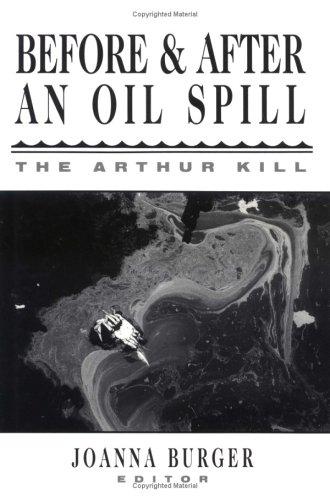
Before and After an Oil Spill
0
0
As an Amazon Associate and affiliate partner, Menrva Books earns from qualifying purchases. Learn more
Author Description
In January 1990, New York Harbor suffered a major oil spill when an underwater pipe at an Exxon refinery leaked into the Arthur Kill, the fifteen-mile strait that runs between New Jersey and Staten Island, New York. The waterway is home to herons and egrets, fiddler crabs and sea turtles, and a favorite place for recreational fishing, bird-watching, hiking, and boating. It is also lined with refineries and a busy corridor for oil tankers. Because this industrial activity posed such a threat to the fragile ecosystem, biologists had been monitoring the region's water, soil, vegetation, and wildlife for some time before the oil spill. Thus, we have before-and-after data about the habitat - the only oil spill anywhere for which this is true.. This unique book discusses the human consequences of the oil spill as well as providing detailed studies of its effects on the plants and animals of the Arthur Kill. Biologists, environmentalists, lawyers, and officials worldwide will find this book an essential guide to dealing with - and possibly preventing - future environmental disasters.
Menrva's Summary
THE THESIS
The Arthur Kill waterway, a vital ecosystem supporting diverse wildlife and recreational activities, faced an unprecedented environmental crisis in January 1990 due to a major oil spill from an Exxon refinery. This book meticulously documents the before-and-after ecological data of the region, a unique scientific record resulting from pre-spill monitoring. It examines the profound human consequences alongside detailed studies of the spill's impact on the local flora and fauna, offering critical insights for environmental management and disaster prevention.
THE SCOPE MAP
- Detailed before-and-after data on the Arthur Kill ecosystem.
- Analysis of the effects of the Exxon oil spill on wildlife, including herons, egrets, fiddler crabs, and sea turtles.
- Studies on the impact of the spill on water, soil, and vegetation.
- Examination of the human consequences of the environmental disaster.
- Discussion of the industrial context of the Arthur Kill, including refineries and oil tanker traffic.
- Insights for biologists, environmentalists, lawyers, and officials on managing and preventing future environmental disasters.
THE AUTHORITY PERSPECTIVE
This book is recognized as an essential guide for professionals dealing with environmental disasters, owing to its unique before-and-after data from the Arthur Kill oil spill. The comprehensive studies on the spill's effects on both the ecosystem and human populations provide critical insights. Its detailed examination of the affected habitat and wildlife makes it a valuable resource for biologists and environmentalists. The work is positioned as a key reference for understanding and mitigating future ecological crises.
Page Count:
305
Publication Date:
1994-01-01
ISBN-10:
0813520959
Non-Fiction
Science
Case Study
Ecology
Pollution
Community Tags
Similar Books