Arminius the Liberator
0
0
As an Amazon Associate and affiliate partner, Menrva Books earns from qualifying purchases. Learn more
Author Description
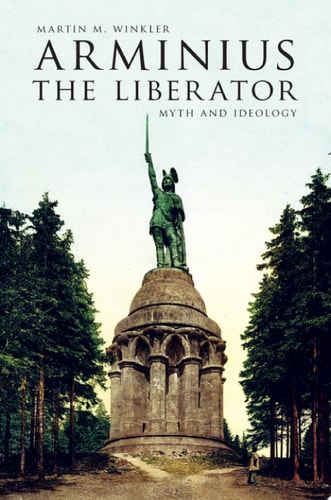
Arminius The Liberator Deals With The Complex Modern Reception Of Arminius The Cheruscan, Commonly Called Hermann. Arminius Inflicted One Of Their Most Devastating Defeats On The Romans In The Year 9 A.d. By Annihilating Three Legions Under The Command Of Quintilius Varus In The Battle Of The Teutoburg Forest, As It Is Generally If Inaccurately Called. This Book Traces The Origin Of The Arminius Myth In Antiquity And Its Political, Artistic, And Popular Developments Since The Nineteenth Century. The Book's Central Themes Are The Nationalist Use And Abuse Of History And Historical Myth In Germany, Especially During The Weimar Republic And National Socialism, The Reactions To A Discredited Ideology Involving Arminius In Post-war Europe, And Revivals Of His Myth In The United States. Special Emphasis Is On The Representation Of Arminius In Visual Media Since The 1960s: From Painting And Theater To Cinema, Television, And Computer Animation.
Menrva's Summary
THE THESIS
This book investigates how the historical figure of Arminius the Cheruscan has been transformed into a malleable myth used to serve shifting political and cultural agendas across centuries. Martin M. Winkler, a scholar of classical reception, examines the transition of Arminius from an ancient Germanic leader into a symbol of national identity. The text argues that the perception of Arminius is less about the historical reality of the Battle of the Teutoburg Forest and more about the ideological requirements of the eras that invoke his name.
THE SCOPE MAP
What You Will Find
- Analysis of the historical Battle of the Teutoburg Forest in 9 A.D.
- Examination of nationalist myth-making during the Weimar Republic and the National Socialist era
- Survey of Arminius in visual media, including painting, theater, cinema, and computer animation
- Comparative study of post-war European and American interpretations of the myth
Scope Limits
- Does not provide a traditional military biography of Arminius
- Does not focus on archaeological evidence of the battle site
THE AUTHORITY PERSPECTIVE
Scholars and historians recognize this work as a significant contribution to the field of classical reception studies. Readers frequently note the academic density of the prose and the thoroughness with which Winkler catalogs the evolution of the Arminius myth across various media platforms.
Page Count:
368
Publication Date:
2015-01-01
Publisher:
Oxford University Press
ISBN-10:
0190252928
ISBN-13:
9780190252922
History
German history
Historiography
Media Studies
Mythology
Community Tags
Similar Books