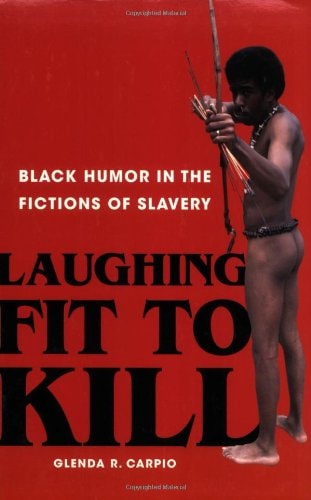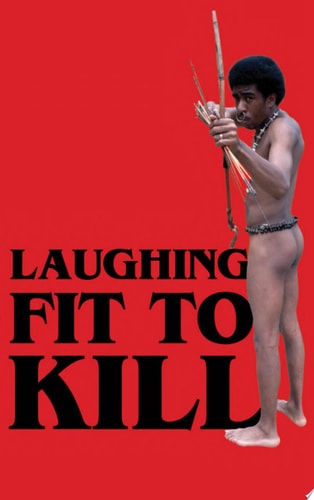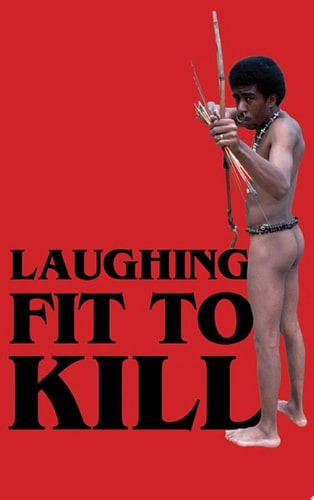
Laughing Fit to Kill: Black Humor in the Fictions of Slavery
0
0
As an Amazon Associate and affiliate partner, Menrva Books earns from qualifying purchases. Learn more
Author Description
Reassessing the meanings of "black humor" and "dark satire," Laughing Fit to Kill illustrates how black comedians, writers, and artists have deftly deployed various modes of comedic "conjuring"--the absurd, the grotesque, and the strategic expression of racial stereotypes--to redress not only the past injustices of slavery and racism in America but also their legacy in the present. Focusing on representations of slavery in the post-civil rights era, Carpio explores stereotypes in Richard Pryor's groundbreaking stand-up act and the outrageous comedy of Chappelle's Show to demonstrate how deeply indebted they are to the sly social criticism embedded in the profoundly ironic nineteenth-century fiction of William Wells Brown and Charles W. Chesnutt. Similarly, she reveals how the iconoclastic literary works of Ishmael Reed and Suzan-Lori Parks use satire, hyperbole, and burlesque humor to represent a violent history and to take on issues of racial injustice. With an abundance of illustrations, Carpio also extends her discussion of radical black comedy to the visual arts as she reveals how the use of subversive appropriation by Kara Walker and Robert Colescott cleverly lampoons the iconography of slavery. Ultimately, Laughing Fit to Kill offers a unique look at the bold, complex, and just plain funny ways that African American artists have used laughter to critique slavery's dark legacy.
Menrva's Summary
THE THESIS
This work investigates how African American artists, writers, and comedians utilize dark humor and satire as a strategic tool to confront and critique the enduring legacy of slavery in the United States. Glenda Carpio, a scholar of African American literature and culture, draws upon a diverse archive of nineteenth-century fiction, post-civil rights era stand-up comedy, and contemporary visual arts. She argues that the use of the grotesque, the absurd, and the subversion of racial stereotypes serves as a sophisticated mechanism for social commentary and historical reckoning.
THE SCOPE MAP
What You Will Find
- Analysis of nineteenth-century literary works by William Wells Brown and Charles W. Chesnutt.
- Examination of stand-up comedy routines by Richard Pryor and sketches from Chappelle's Show.
- Discussion of literary satire in the works of Ishmael Reed and Suzan-Lori Parks.
- Exploration of visual art through the subversive appropriation techniques of Kara Walker and Robert Colescott.
Scope Limits
- The study focuses primarily on the post-civil rights era's engagement with the history of slavery rather than a comprehensive history of black comedy.
- The analysis is limited to specific artistic mediums and does not cover every manifestation of racial humor in American culture.
THE AUTHORITY PERSPECTIVE
Scholars and critics recognize this text as a significant contribution to the study of African American cultural production and the intersection of humor and trauma. Readers frequently note the academic density of the prose and the depth of the interdisciplinary connections drawn between literature, performance, and visual art.
Page Count:
302
Publication Date:
2008-01-01
Publisher:
Oxford University Press
ISBN-10:
0190293977
ISBN-13:
9780190293970
History
Satire
African American
Art History
English & College Success
English
Literary Criticism
Ethnic Studies