Resonant Recoveries: French Music and Trauma Between the World Wars
0
0
As an Amazon Associate and affiliate partner, Menrva Books earns from qualifying purchases. Learn more
Author Description
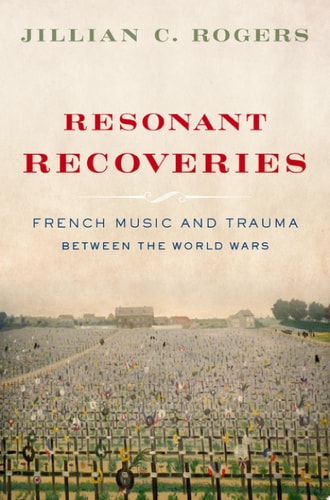
Coping with trauma and the losses of World War I was a central concern for French musicians in the interwar period. Almost all of them were deeply affected by the war as they fought in the trenches, worked in military hospitals, or mourned a friend or relative who had been wounded, killed, or taken prisoner. In Resonant Recoveries, author Jillian C. Rogers argues that French modernist composers processed this experience of unprecedented violence by turning their musical activities into locations for managing and performing trauma.Through analyses of archival materials, French medical, philosophical, and literary texts, and the music produced between the wars, Rogers frames World War I as a pivotal moment in the history of music therapy. When musicians and their audiences used music to remember lost loved ones, perform grief, create healing bonds of friendship, and find consolation in soothing sonic vibrations and rhythmic bodily movements, they reconfigured music into an embodied means of consolation--a healer of wounded minds and bodies. This in-depth account of the profound impact that postwar trauma had on French musical life makes a powerful case for the importance of addressing trauma, mourning, and people's emotional lives in music scholarship.This is an open access title available under the terms of a CC BY-NC-ND 4.0 licence. It is free to read at Oxford Scholarship Online and offered as a free PDF download from OUP and selected open access locations.
Menrva's Summary
THE THESIS
How did French modernist composers utilize musical creation and performance as a mechanism to process the widespread trauma and loss resulting from World War I? Jillian C. Rogers, a scholar of musicology, examines the intersection of postwar psychological distress and artistic production in France. By synthesizing archival research with contemporary medical, philosophical, and literary texts, she argues that music functioned as an embodied therapeutic practice for both creators and audiences during the interwar period.
THE SCOPE MAP
What You Will Find
- Analysis of French musical life during the interwar period (1918-1939)
- Theoretical framework linking sonic vibrations and rhythmic movement to trauma recovery
- Examination of primary source documents including medical records and personal correspondence
- Case studies of specific modernist composers and their postwar output
Scope Limits
- The study focuses primarily on the French context and does not provide a comprehensive global history of music therapy.
- The analysis is restricted to the interwar period and does not extend into the trauma of World War II.
THE AUTHORITY PERSPECTIVE
Scholars in the field of musicology recognize this work as a significant contribution to the study of emotional history and the intersection of music and medicine. Readers frequently note the academic rigor and the depth of archival evidence presented throughout the text.
Page Count:
394
Publication Date:
2021-01-01
Publisher:
Oxford University Press
ISBN-10:
0190658312
ISBN-13:
9780190658311
History
Cultural History
Criticism history
French History
Musicology
Trauma Studies
Humanities
Modernism
Community Tags
Similar Books