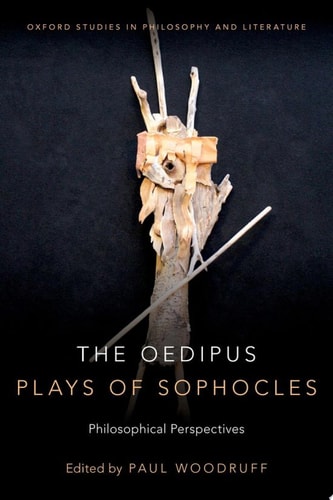
The Oedipus Plays of Sophocles
0
0
As an Amazon Associate and affiliate partner, Menrva Books earns from qualifying purchases. Learn more
Author Description
Oedipus Presents Ceaseless Paradoxes That Have Fascinated Readers For Centuries. He Is Proud Of His Intellect, But He Does Not Know Himself And Succumbs Easily To Self-deceptions. As A Ruler He Expresses The Greatest Good Will Toward His People, But As An Exile He Will Do Nothing To Save Them From Their Enemies. Faced With A Damning Prophecy, He Tries To Take Destiny Into His Own Hands And Fails. Realizing This, He Struggles At The End Of His Life For A Serenity That Seems To Elude Him. In His Last Misery, He Is Said To Illustrate The Tragic Lament That It Is Better Not To Be Born, Or, Once Born, Better To Die Young Than To Live Into Old Age. Such Are The Themes A Set Of Powerful Thinkers Take On In This Volume-self-knowledge, Self-deception, Destiny, The Value Of A Human Life. There Are Depths To The Oedipus Tragedies That Only Philosophers Can Plumb; Readers Who Know The Plays Will Be Startled By What They Find In This Volume. There Is Nothing In Literature To Compare With The Oedipus Plays Of Sophocles That Let Us See The Same Basic Myth Through Different Lenses. The First Play Was The Product Of A Poet In Vibrant Late Middle Age, The Second Of A Man Who Was Probably In His Eighties, With The Vision Of A Very Old Poet Still At The Height Of His Powers. In The Volume's Introduciton, Paul Woodruff Provides Historical Backdrop To Sophocles And The Plays, And Connections To The Contributions By Philosophers And Classicists That Follow.
Menrva's Summary
THE PULSE
Oedipus, a king who prides himself on his intellect, discovers that his attempts to outrun a divine prophecy have led him directly into the heart of his own destruction. The protagonist seeks to protect his city and his legacy, yet he is systematically dismantled by his own ignorance and the rigid constraints of fate. The narrative framework utilizes the structure of classical Greek tragedy, employing dialogue and choral commentary to explore the protagonist's descent from power to exile. As he confronts the truth of his origins, he must navigate the logical paradoxes of his own identity and the moral weight of his actions.
INSIDE THE PAGES
- Exploration of the tension between human agency and divine prophecy
- Examination of the psychological burden of self-knowledge
- Use of the chorus to provide moral and social context
- Analysis of the tragic hero's hubris and subsequent fall
- Contrast between the perspectives of a younger and older poet
- Philosophical inquiry into the value of human life
- Investigation of the themes of exile and political responsibility
- Integration of scholarly commentary alongside the primary texts
THE COLLECTIVE ECHO
Discussion often centers on the enduring relevance of the Oedipus myth and the specific philosophical interpretations provided by the contributors in this volume. Readers frequently highlight the value of Paul Woodruff's introduction, which bridges the gap between ancient historical context and modern analytical thought. Critics note that the inclusion of multiple perspectives allows for a nuanced understanding of how the plays evolve in tone and thematic focus across Sophocles' career. The balance between the original dramatic text and the scholarly essays provides a comprehensive experience for those interested in both literature and classical philosophy. This collection is frequently cited for its ability to illuminate the complex layers of self-deception and destiny inherent in the source material.
Page Count:
224
Publication Date:
2018-01-01
Publisher:
Oxford University Press
ISBN-10:
0190669462
ISBN-13:
9780190669461
Drama
Philosophy
Classical
Plays
Greek Tragedy
Community Tags
Similar Books