Sixties British Pop, Outside In
0
0
As an Amazon Associate and affiliate partner, Menrva Books earns from qualifying purchases. Learn more
Author Description
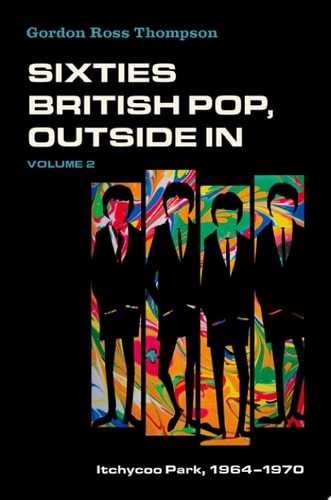
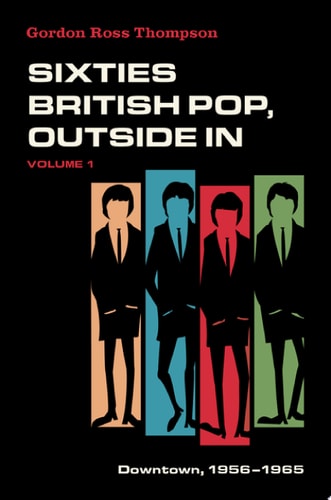
Downtown, 1956-1965-the First Volume Of Sixties British Pop, Outside In-describes The Rise Of London's Music And Recording Industries Through The Stories Of Those Who Gave Britain A Significant Voice In Transatlantic Pop Culture. After The National Success Of Artists Such As Lonnie Donegan, Cliff Richard, And Helen Shapiro, The Beatles Led An International Wave That Included Groups Such As The Rolling Stones, The Kinks, And The Animals And Singers Such As Petula Clark, Tom Jones, And Cilla Black. Supporting Them, A Community Of Musicians, Producers, Music Directors, Engineers, Songwriters, Publishers, Promoters, And Journalists Created Songs And Recordings, Organized Concerts, And Wrote About Music That Reflected The Optimism Of An Audience Eager For New Material. Based On Extensive Research And Drawing On Vintage And Original Interviews, Sixties British Pop, Outside In Relates This World To The Bulge Generation In The Uk (and Baby Boomers In America) And To The Technologies And English Behaviors That Shaped This Music Culture.-- Provided By Publisher.,Itchycoo Park, 1964-1970-the Second Volume Of Sixties British Pop, Outside In- Explores How London Songwriters, Musicians, And Production Crews Navigated The Era's Cultural Upheavals By Reimagining The Pop-music Envelope. British Songwriters, Musicians, And Production Crews Explored Form, Sound, And Subject Matter As Western Society Grappled With Racism, Sexism, War, Revolution, And Migration In A Postcolonial World. As These Creators And Curators Of Popular Culture Combined Interests In Jazz, Folk, Blues, Indian Ragas, And Western Classical Music, They Created Sophisticated Hybrid Forms That Redefined Pop Music. Based On Extensive Research And Drawing On Vintage And Original Interviews, Sixties British Pop, Outside In Contextualizes The World Of The Beatles Through King Crimson In The Frameworks Of The Postwar Surge In Births That Created The Bulge Generation In The Uk (and Baby Boomers In America), Emergent Technolo
Menrva's Summary
THE THESIS
This work investigates how the British music and recording industries evolved between 1956 and 1970 to establish a significant presence in transatlantic pop culture. Gordon Ross Thompson, a scholar of music history, utilizes extensive archival research and original interviews to analyze the intersection of technological advancement, shifting social behaviors, and the demographic influence of the postwar 'bulge' generation. The text argues that the transformation of British pop was a collaborative effort involving musicians, producers, and engineers who navigated the cultural upheavals of the era to redefine the boundaries of popular music.
THE SCOPE MAP
What You Will Find
- Detailed analysis of the London music industry from 1956 to 1970.
- Examination of the transition from early pop figures like Lonnie Donegan to the experimental sounds of King Crimson.
- Exploration of how global issues such as postcolonialism, racism, and war influenced musical composition.
- Documentation of the roles played by non-performing industry professionals, including songwriters, publishers, and journalists.
Scope Limits
- The text focuses primarily on the British perspective and its impact on the transatlantic market.
- It does not provide a comprehensive biography of every individual artist mentioned, focusing instead on the broader cultural and industrial context.
THE AUTHORITY PERSPECTIVE
Experts and music historians recognize this work as a thorough examination of the industrial and social mechanisms that fueled the British Invasion. Readers frequently note the academic rigor of the research and the author's ability to synthesize complex cultural shifts into a coherent narrative of the era.
Page Count:
0
Publication Date:
2024-01-01
Publisher:
New York, NY : Oxford University Press,
ISBN-10:
0190672404
ISBN-13:
9780190672409
Popular music
Music History
1960s
Music Industry
British Pop
Sociology
Community Tags
Other Editions(2)

Similar Books







Reader Comments
Share Your Thoughts
No comments yet. Be the first to share your thoughts!