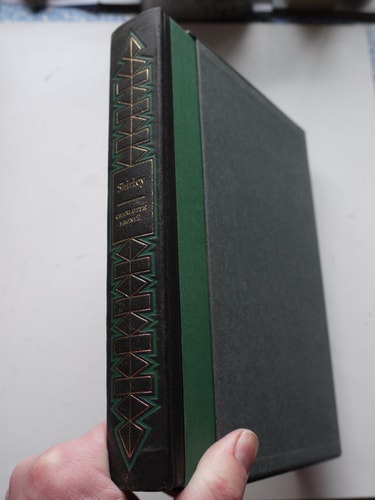
Shirley
0
0
As an Amazon Associate and affiliate partner, Menrva Books earns from qualifying purchases. Learn more
Author Description
Shirley, published in 1849, was Charlotte Brontë’s second novel after Jane Eyre. Published under her pseudonym of “Currer Bell,” it differs in several respects from that earlier work. It is written in the third person with an omniscient narrator, rather than the first-person of Jane Eyre, and incorporates the themes of industrial change and the plight of unemployed workers. It also features strong pleas for the recognition of women’s intellect and right to their independence of thought and action. Set in the West Riding of Yorkshire during the Napoleonic period of the early 19th Century, the novel describes the confrontations between textile manufacturers and organized groups of workers protesting the introduction of mechanical looms. Three characters stand out: Robert Moore, a mill-owner determined to introduce modern methods despite sometimes violent opposition; his young cousin Caroline Helstone, who falls deeply in love with Robert; and Shirley Keeldar, a rich heiress who comes to live in the estate of Fieldhead, on whose land Robert’s mill stands. Robert’s business is in trouble, not so much because of the protests of the workers but because of a government decree which prevents him selling his finished cloth overseas during the duration of the war with Napoleon. He receives a loan from Miss Keeldar, and her interest in him seems to be becoming a romantic one, much to the distress of Caroline, who pines away for lack of any sign of affection from Robert. Shirley Keeldar is a remarkable female character for the time: strong, very independent-minded, dismissive of much of the standard rules of society, and determined to decide on her own future. Interestingly, up to this point, the name “Shirley” was almost entirely a male name; Shirley’s parents had hoped for a boy. Such was the success of Brontë’s novel, however, that it became increasingly popular as a female name and is now almost exclusively so.
Menrva's Summary
THE PULSE
Set against the backdrop of the Napoleonic Wars, the novel centers on the volatile conflict between textile mill-owner Robert Moore and the local workers displaced by his new machinery. As Moore struggles to maintain his business amidst economic blockades and labor unrest, his personal life becomes entangled with two distinct women: the quiet, pining Caroline Helstone and the wealthy, independent-minded heiress Shirley Keeldar. The narrative employs an omniscient third-person perspective to examine the intersection of industrial progress, social class, and the restricted roles of women in early 19th-century Yorkshire. The characters must navigate the rigid expectations of their society while grappling with the consequences of economic instability and unrequited affection.
INSIDE THE PAGES
- Omniscient third-person narrative voice
- Exploration of Luddite-era industrial unrest
- Critique of gender roles and female intellectual autonomy
- Detailed depiction of the West Riding of Yorkshire landscape
- Contrast between the domestic sphere and the public economic sphere
- Use of social satire to address class tensions
- Character-driven exploration of romantic longing and duty
- Historical grounding in the Napoleonic period
THE COLLECTIVE ECHO
While often overshadowed by the intense personal focus of Jane Eyre, this work is recognized for its broader social scope and its biting commentary on the status of women in Victorian society. Critics frequently note the departure from the intimate first-person perspective of Brontë's earlier work in favor of a more expansive, panoramic view of industrial conflict. The character of Shirley Keeldar is widely cited as a significant literary creation, credited with shifting the cultural perception of the name Shirley from masculine to feminine. The novel remains a subject of academic interest for its dual focus on the economic realities of the 19th century and the internal lives of its female protagonists.
Page Count:
512
Publication Date:
1849-10-26
Publisher:
Folio Society
ISBN-10:
0004234316
ISBN-13:
9780004234311
Romance
Historical Fiction
Fiction
Subjects
Social Realism
Classics
Historical
England
classic
Literature & Fiction
Industrial
Victorian
Community Tags
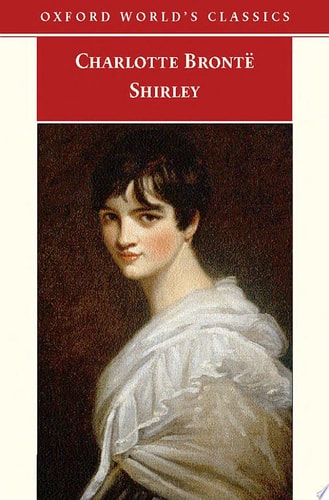
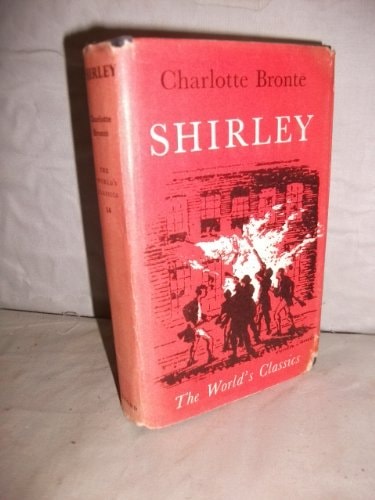
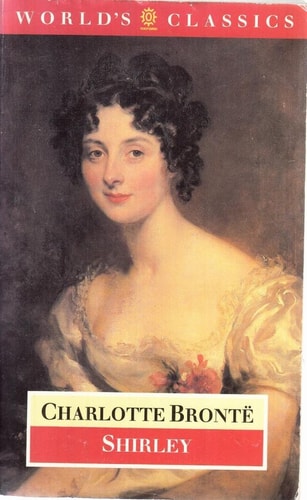
Other Editions(6)









Reader Comments
Share Your Thoughts
No comments yet. Be the first to share your thoughts!