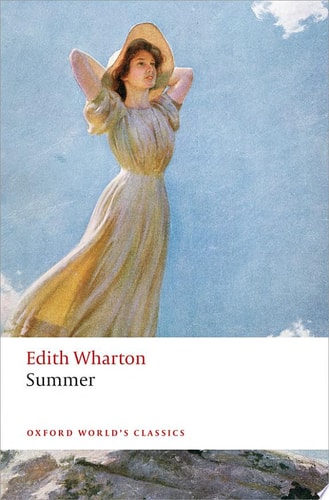
Summer
0
0
As an Amazon Associate and affiliate partner, Menrva Books earns from qualifying purchases. Learn more
Author Description
'can't You See That I Don't Care What Anybody Says?' Charity Royall Lives In The Small New England Village Of North Dormer. Born Among Outcasts From The Mountain Beyond, She Is Rescued By Lawyer Royall And Lives With Him As His Ward. Never Allowed To Forget Her Disreputable Origins Charity Despises North Dormer And Rebels Against The Stifling Dullness Of The Tight-knit Community Surrounding Her. Her Boring Job In The Local Library Is Interrupted One Day By The Arrival Of A Young Visiting Architect, Lucius Harney, Whose Good Looks And Sophistication Arouse Her Passionate Nature. As Their Relationship Grows, So Too Does Charity's Conflict With Her Guardian; Darker Undercurrents Start To Come To The Surface. Summer Is Often Compared To Wharton's Other New England Story, Ethan Frome, And It Shares The Same Intensity Of Feeling And Repression. Wharton Regarded It As One Of Her Best Works, And Its Compelling Story Of Burgeoning Sexuality And Illicit Desire Has A Strikingly Modern And Troubling Ambiguity.
Menrva's Summary
THE PULSE
Charity Royall’s quiet existence in the isolated village of North Dormer is shattered by the arrival of an outsider who awakens her dormant desires and forces a confrontation with her own identity. Charity, a young woman raised among mountain outcasts and now living as a ward to a local lawyer, struggles against the suffocating social constraints of her rural environment. Her objective is to escape the perceived dullness of her life, a goal that becomes complicated by her intense attraction to Lucius Harney, a visiting architect. The narrative, presented through a third-person limited perspective, tracks the collision between Charity's internal awakening and the rigid moral expectations of the village.
INSIDE THE PAGES
- Exploration of the conflict between individual desire and societal repression
- Vivid depiction of the stifling atmosphere of a small New England town
- Use of the mountain as a symbolic boundary between civilization and the wild
- Examination of the power dynamics within the guardian-ward relationship
- Focus on the psychological development of a young woman navigating autonomy
- Integration of naturalistic elements to mirror the protagonist's emotional state
- Stylistic emphasis on the tension between duty and personal fulfillment
- Detailed portrayal of the class distinctions inherent in rural American life
THE COLLECTIVE ECHO
Discussion often centers on the stark contrast between the protagonist's internal passion and the bleak, judgmental environment of North Dormer. Readers frequently highlight the novel's unflinching look at the consequences of illicit desire and the limitations placed upon women during the early twentieth century. Critics often compare the work to the author's other regional narratives, noting a similar focus on the crushing weight of social isolation. The narrative is frequently praised for its psychological depth and the author's ability to maintain a sense of unease throughout the text. Many readers find the conclusion particularly provocative due to its refusal to provide a conventional resolution to the protagonist's moral dilemmas.
Page Count:
208
Publication Date:
2015-01-01
Publisher:
Oup Oxford
ISBN-10:
0191019941
ISBN-13:
9780191019944
Historical Fiction
Romance
Social Realism
New England
Classic Literature
Community Tags
Other Editions(25)

Penguin
2024
Default edition
Golden Flower Publishing
2024
BoD - Books on Demand
2023

Creative Media Partners, LLC
2022

Courier Corporation
2020
Independently Published
2020
Independently Published
2019

CreateSpace Independent Publishing Platform
2018

CreateSpace Independent Publishing Platform
2017

CreateSpace Independent Publishing Platform
2017

CreateSpace Independent Publishing Platform
2017
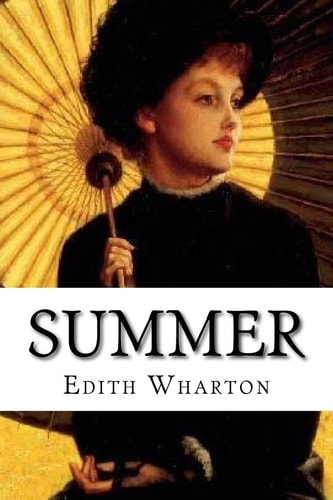
CreateSpace Independent Publishing Platform
2017

Createspace Independent Publishing Platform
2017

CreateSpace Independent Publishing Platform
2017

CreateSpace Independent Publishing Platform
2016

CreateSpace Independent Publishing Platform
2016

HarperCollins
2015

CreateSpace Independent Publishing Platform
2015
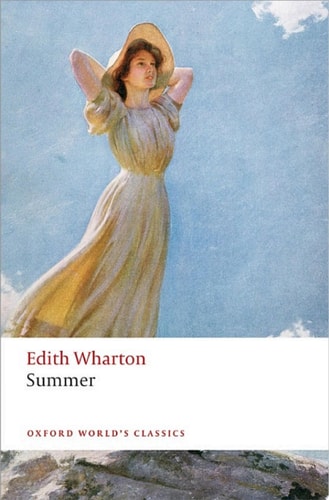
OUP Oxford
2015
Oup Oxford
2015

CreateSpace Independent Publishing Platform
2014

Maestro Reprints
2010

Penguin USA, Inc.
2010
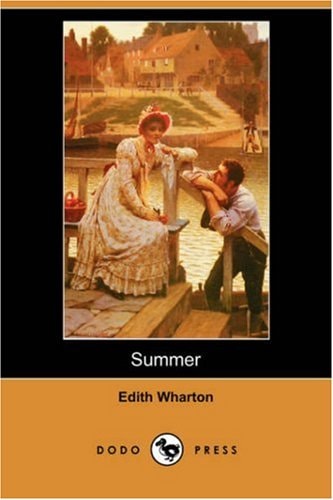
Dodo Press
2007

Classic Books
2001
Similar Books






Reader Comments
Share Your Thoughts
No comments yet. Be the first to share your thoughts!