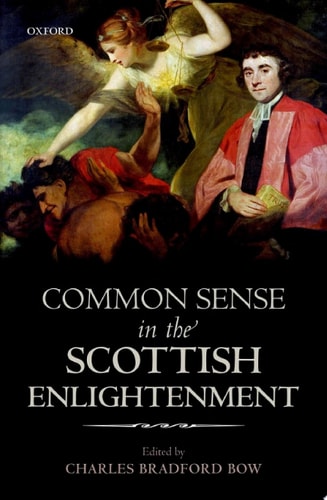
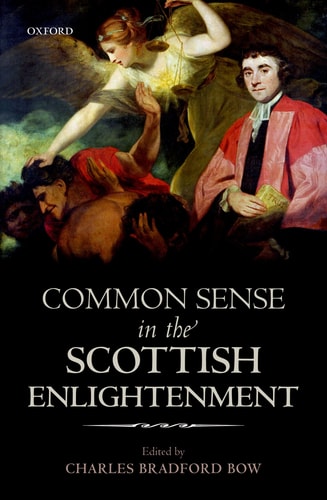
Common Sense in the Scottish Enlightenment
0
0
As an Amazon Associate and affiliate partner, Menrva Books earns from qualifying purchases. Learn more
Author Description
Common sense philosophy was one of eighteenth-century Scotland's most original intellectual products. It developed as a viable alternative to modern philosophical scepticism, known as the 'Ideal Theory' or 'the way of ideas'. The nine specially written essays in this volume explore the philosophical and historical significance of common sense philosophy in the Scottish Enlightenment. Thomas Reid and David Hume feature prominently as influential authors of competing ideas in the history and philosophy of common sense. The contributors recover anticipations of Reid's version of common sense in seventeenth-century Scottish scholasticism; revaluate Reid's position in the realism versus sentimentalism dichotomy; shed new light on the nature of the 'constitution' in the anatomy of the mind; identify changes in the nature of sense perception throughout Reid's published and unpublished works; examine Reid on the non-theist implications of Hume's philosophy; show how 'polite' literature shaped James Beattie's version of common sense; reveal Hume's response to common sense philosophers; explore English criticisms of the Scottish 'school', and how Dugald Stewart's refashioning of common sense responded to a new age and the British reception of German Idealism. In recovering the ways in which Scottish common sense philosophy developed during the long eighteenth century, this volume takes an important step toward a more complete understanding of 'the Scottish philosophy' and British philosophy more broadly in the age of Enlightenment.
Menrva's Summary
THE THESIS
This volume investigates the historical and philosophical significance of common sense philosophy as a primary intellectual response to eighteenth-century skepticism. Edited by C. B. Bow, the collection features nine original essays that analyze the development of this school of thought. The contributors utilize historical analysis and textual examination of key figures like Thomas Reid and David Hume to map the evolution of common sense realism against competing theories of the era.
THE SCOPE MAP
What You Will Find
- Analysis of the transition from seventeenth-century Scottish scholasticism to Enlightenment realism.
- Comparative studies of Thomas Reid, David Hume, and James Beattie.
- Examination of the influence of 'polite' literature on philosophical discourse.
- Discussions on the reception of Scottish philosophy in England and its interaction with German Idealism.
Scope Limits
- The text focuses primarily on the Scottish context and does not provide a comprehensive history of European philosophy during the eighteenth century.
- It does not offer a general introduction to philosophy for non-specialists.
THE AUTHORITY PERSPECTIVE
Scholars recognize this collection as a specialized contribution to the study of the Scottish Enlightenment, particularly regarding the nuances of Reid's realism. Readers frequently note the academic density of the prose, which is intended for those already familiar with the history of British philosophy.
Page Count:
240
Publication Date:
2018-01-01
Publisher:
OUP Oxford
ISBN-10:
0191086495
ISBN-13:
9780191086496
Philosophy
Logic & Critical Reasoning
Scottish Enlightenment
Intellectual History
History & Surveys
Epistemology
Philosophy history
Community Tags
Other Editions(3)
Similar Books