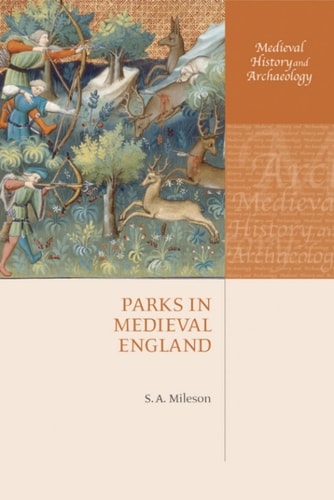
Parks in Medieval England
0
0
As an Amazon Associate and affiliate partner, Menrva Books earns from qualifying purchases. Learn more
Author Description
Parks were prominent and, indeed, controversial features of the medieval countryside, but they have been unevenly studied and remain only partly understood. Stephen Mileson provides the first full-length study of the subject, examining parks across the country and throughout the Middle Ages in their full social, economic, jurisdictional, and landscape context. The first half of the book investigates the purpose of these royal and aristocratic reserves, which have been variously claimed as hunting grounds, economic assets, landscape settings for residences, and status symbols. An emphasis on the aristocratic passion for the chase as the key motivation for park-making provides an important challenge to more recent views and allows for a deeper appreciation of the connection between park-making and the expression of power and lordship. The second part of the volume examines the impact of park creation on wider society, from the king and aristocracy to peasants and townsmen. Instead of the traditional emphasis on the importance of royal regulation, greater attention is paid to the effects of lordly park-making on other members of the landed elite and ordinary people. These widespread enclosures interfered with customary uses of woodland and waste, hunting practices, roads, and farming; not surprisingly, they could become a focus for aristocratic feud, popular protest, and furtive resistance. Combining historical, archaeological, and landscape evidence, this ground-breaking work provides fresh insight into contemporary values and how they helped to shape the medieval landscape.
Menrva's Summary
THE THESIS
This study investigates the multifaceted role of parks in the medieval English landscape, questioning how these enclosures functioned as both aristocratic status symbols and sites of social conflict. Stephen Mileson, a specialist in medieval landscape and social history, synthesizes historical documentation with archaeological evidence to challenge existing interpretations of park-making. He argues that while economic and residential factors were present, the aristocratic pursuit of hunting remained the primary driver for the creation and maintenance of these reserves throughout the Middle Ages.
THE SCOPE MAP
What You Will Find
- Analysis of royal and aristocratic park-making across England throughout the medieval period.
- Examination of the intersection between land use, lordship, and social power dynamics.
- Integration of historical records, archaeological findings, and landscape analysis.
Scope Limits
- The study focuses primarily on the English context and does not provide a comparative analysis of continental European park systems.
- It does not offer an exhaustive catalog of every individual medieval park but rather focuses on broader trends and social impacts.
THE AUTHORITY PERSPECTIVE
Historians and archaeologists recognize this work as a foundational text for understanding the social and economic complexities of medieval land management. Readers frequently note the academic rigor and the clarity with which the author balances technical archaeological data with broader historical narratives.
Page Count:
232
Publication Date:
2009-01-01
Publisher:
Oxford University Press
ISBN-10:
0191570583
ISBN-13:
9780191570582
History
Social History
European History
Economic History
Landscape History
Archaeology
Community Tags
Similar Books